


By Taibat Ummi Yakubu
President Bola Ahmed Tinubu has defended the economic reforms introduced by his administration, saying the decision to remove petrol subsidies and overhaul the foreign exchange system was unavoidable if Nigeria was to escape years of deep-rooted economic distortions.
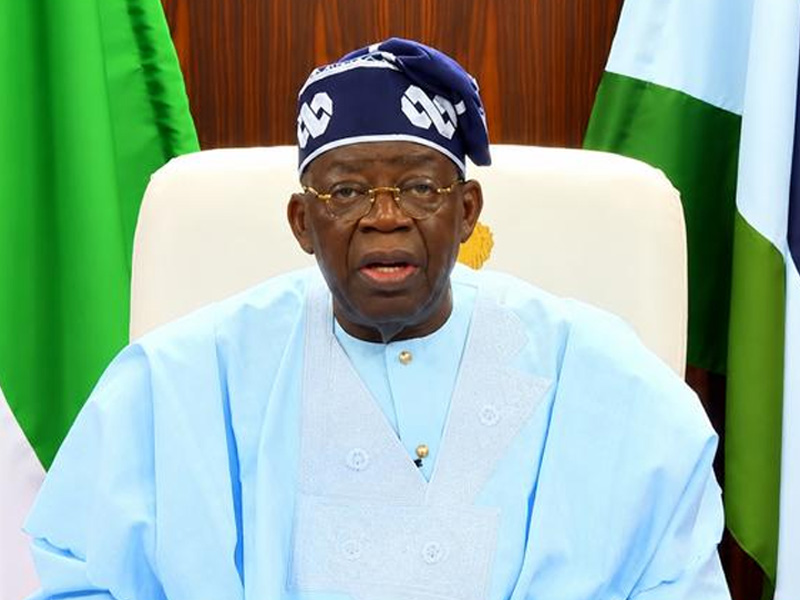
Tinubu made the assertion in his Independence Day address to Nigerians, arguing that the country he inherited in 2023 was already facing severe economic pressures, rising poverty and dwindling public confidence.
The President said successive governments had delayed difficult economic decisions for too long, allowing structural problems to worsen until the situation became increasingly difficult to manage.
“By 2023, poverty was rising, and hope was nearly gone. The country’s situation was darker than ever. We had no choice but to act,” Tinubu said.
According to him, his administration inherited an economy weighed down by what he described as an unsustainable petrol subsidy regime and a foreign exchange system characterised by multiple rates and a lack of transparency.
Shortly after taking office on May 29, 2023, Tinubu announced the removal of the petrol subsidy, while the Central Bank of Nigeria subsequently moved to unify the country’s multiple foreign exchange windows.
The decisions triggered immediate economic consequences, including a steep rise in petrol prices and significant depreciation of the naira. The changes also pushed up transportation, food and production costs, intensifying pressure on households and businesses.
Previous administrations had also attempted to reform the petrol subsidy system. Former President Goodluck Jonathan’s 2012 attempt to remove the subsidy sparked nationwide protests, while the administration of the late Muhammadu Buhari later restored subsidy payments after initially moving to eliminate them.
Tinubu, however, maintained that continuing with the old system would have placed an even greater burden on Nigeria’s finances.

He argued that money previously committed to subsidising petrol was being redirected towards areas such as infrastructure, education, healthcare, agriculture and national security.
The President also said the reforms had created additional fiscal space for the federal, state and local governments, allowing them to deploy more resources to development projects and other public obligations.
While government officials and international financial institutions have pointed to improvements in some macroeconomic indicators since the reforms, the policies have also remained a major source of public concern because of their impact on living costs.
The International Monetary Fund, in its 2026 assessment of Nigeria, said the reforms had helped improve macroeconomic conditions and strengthened the country’s resilience, while also noting that poverty remained high and living conditions continued to be difficult for many Nigerians.
Tinubu said his administration was nevertheless determined to ensure that the benefits of the reforms translated into tangible improvements in the lives of citizens.
He said additional resources were being channelled into roads, electricity, broadband infrastructure and social investment programmes, alongside funding for education, healthcare and security.
The President has previously highlighted the scale of spending under the former subsidy system. In May, while marking three years in office, he said Nigeria had at one point been spending as much as N18.4 billion every day to sustain petrol subsidies, with more than N4 trillion spent in 2022 alone.
He also said the previous multiple-exchange-rate system and foreign exchange arbitrage had cost the country more than N8 trillion over three years.
The government has, however, faced questions over how much of the savings from the reforms has been directly available for development. Finance Minister and Coordinating Minister of the Economy, Taiwo Oyedele, said in July that a substantial portion of the savings had gone towards debt servicing, increased public-sector wages, student loans and other government obligations.
Tinubu appealed to Nigerians to remain supportive of the reforms, insisting that the measures were intended to correct longstanding economic imbalances and create the foundation for sustainable growth.

Comments (0)
No comments yet. Be the first to share your thoughts!