


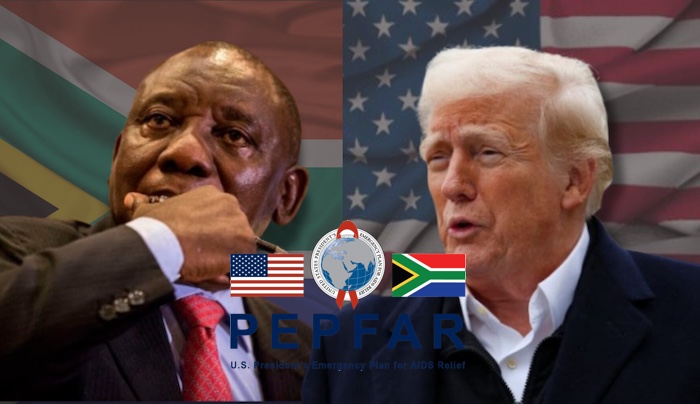
The United States has announced plans to phase out funding for HIV and AIDS programmes in South Africa, a decision that signals a major shift in its global health assistance amid rising diplomatic tensions between Washington and Pretoria.
South Africa, which has the world’s largest population of people living with HIV—estimated at over eight million—has long depended on US support through the President’s Emergency Plan for AIDS Relief (PEPFAR), which contributed about $400 million annually to its HIV response until 2025.
A US State Department official confirmed that a “phased drawdown” of the programme is now underway. The official linked the decision to what Washington described as South Africa’s failure to meet certain policy expectations.
“The aim is to foster self-reliance,” the official said, adding that South Africa, as a middle-income country, should be capable of financing its own health programmes.
The move comes against a backdrop of worsening political relations between both countries, particularly since President Donald Trump returned to office.
Shortly after his inauguration, Trump signed an executive order accusing South African policies of undermining equality and enabling violence against what he called “racially disfavoured landowners.” The South African government rejected the claims, insisting its Black Economic Empowerment policies are designed to address the legacy of apartheid.
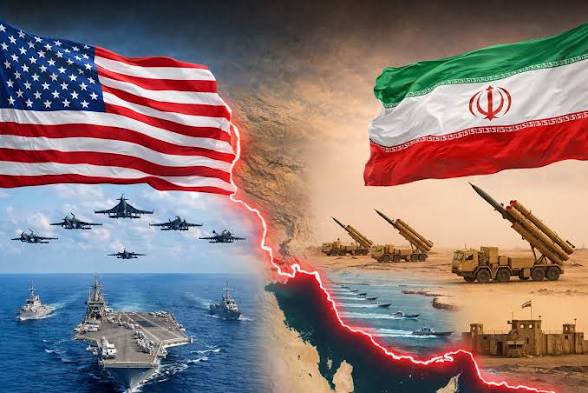
The order also referenced South Africa’s case against Israel at the International Court of Justice and its ties with Iran as factors influencing US policy direction.

The White House maintained that “unjust and immoral practices” would result in reduced American assistance, while Trump has also repeatedly alleged—claims widely discredited—that white South Africans are facing targeted violence. Those assertions later informed a US refugee programme for Afrikaners.
PEPFAR funding previously accounted for roughly one-fifth of South Africa’s HIV programme budget and had been temporarily extended under a “bridge plan” introduced last October.
Reacting to the development, South Africa’s health ministry said it had not yet received formal notification of the funding withdrawal but stressed that preparations for self-reliance had been ongoing.
The ministry added that antiretroviral drug supplies remain secure, noting that most medication procurement is financed domestically.
Tensions between both nations have escalated in recent years, including a contentious White House meeting between President Trump and South African President Cyril Ramaphosa, as well as a US boycott of the G20 summit hosted in South Africa last November.
The withdrawal of PEPFAR support is expected to place additional strain on South Africa’s public health system, even as officials insist the country is capable of sustaining its HIV response independently.

Comments (0)
No comments yet. Be the first to share your thoughts!