

Katsina Zakat, Waqf Board Introduces Digital Zakat System, Receives N50 Million Zakat from Governor Radda
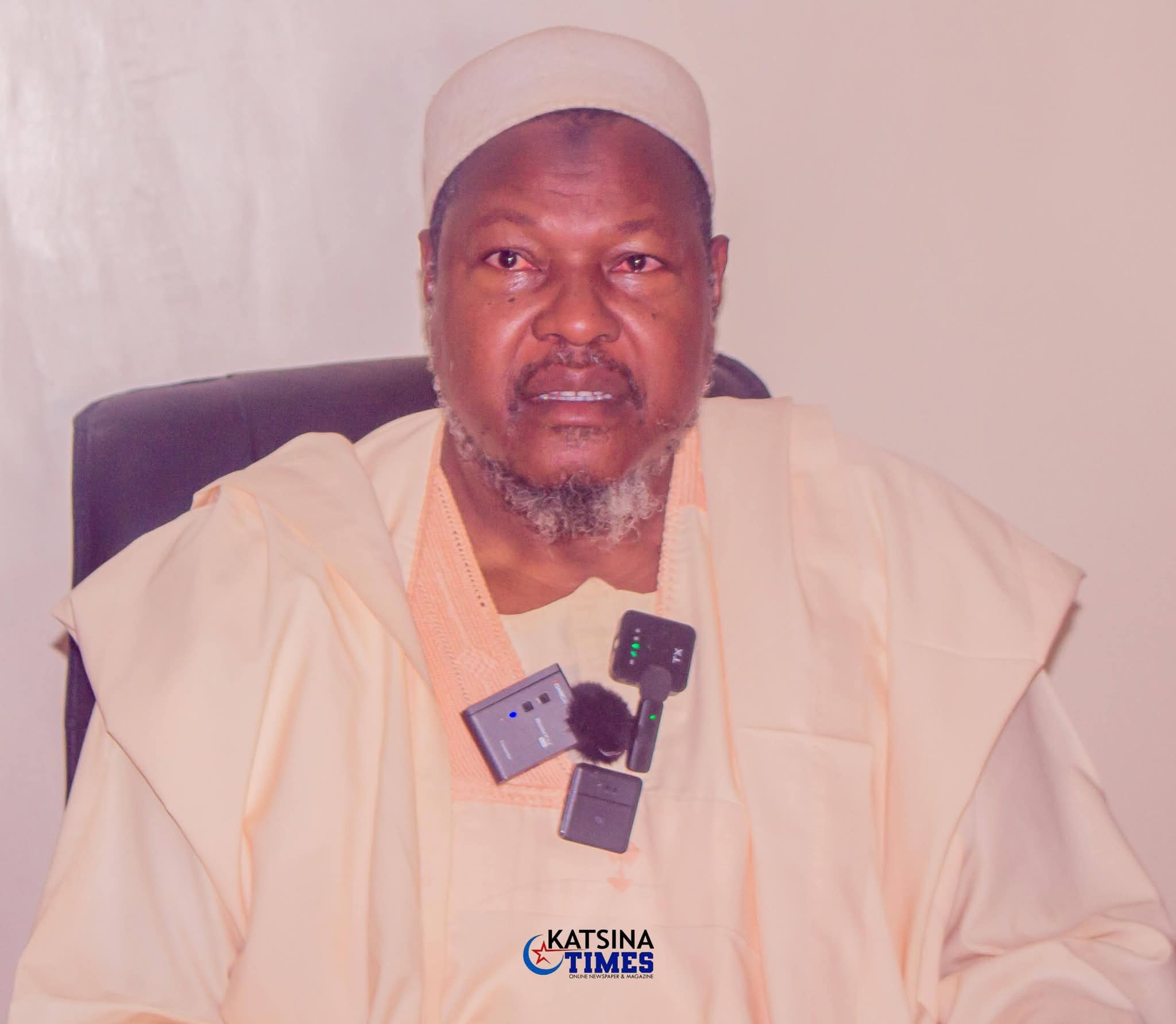
The Chairman of the Katsina State Zakat and Waqf Board, Dr. Ahmed Musa Abdullahi (Filin Samji), has announced the introduction of a digital system for the collection and distribution of Zakat in the state as part of reforms aimed at enhancing transparency, accountability and efficiency.
Dr. Abdullahi made this known during a press briefing held on Thursday, 5 March 2026, at the Zakat and Waqf Board headquarters in Katsina.
Addressing journalists after a one-day lecture workshop organised by the board on approaches to Zakat administration, the chairman said the initiative forms part of ongoing efforts to modernise the institution and strengthen its operations.
He explained that the Katsina State Zakat and Waqf Board, though still a relatively young institution within the Islamic financial system, has made significant progress in its short period of operation.
According to him, in the past year the board successfully collected and distributed about 86,819 bags of grain Zakat across 62 districts in the Katsina and Daura Emirates. He added that the grains are valued at approximately N4.78 billion, reflecting the significant contribution of Zakat to social welfare in the state.
Dr. Abdullahi further disclosed that Zakat collection in the state is not limited to grains and cash alone, noting that other categories such as livestock and additional forms of wealth are also assessed in accordance with Islamic guidelines.
He revealed that the Governor of Katsina State, Malam Dikko Umaru Radda, recently fulfilled his personal Zakat obligation by paying N50 million to the board. The governor had previously contributed N10 million in his first year and N20 million in the following year.
Similarly, the Governor’s wife declared N25 million as her Zakat payment, while the senator representing the Katsina Central Senatorial District also donated N10 million to support the board’s activities. Other philanthropists across the state have also made contributions to assist vulnerable members of society.
The chairman also noted that livestock Zakat, including sheep, goats and cattle, has been declared and assessed in various districts, with the Deputy Governor, Malam Faruk Lawal Jobe, among those who contributed livestock as part of their Zakat obligations.
Dr. Abdullahi stated that the board has gained valuable experience in Zakat administration over the past two years, which informed the development of a new policy framework designed to guide Zakat operations across Katsina State.
He explained that Zakat, as one of the five pillars of Islam, plays a critical role not only in spiritual purification but also in promoting social welfare, economic justice and equitable distribution of wealth within society.
According to him, the newly introduced digital Zakat system will enhance transparency in financial transactions, improve documentation and record-keeping, strengthen public trust and ensure more efficient distribution of assistance to genuine beneficiaries.
The system will also help prevent fraud, reduce multiple applications by the same individuals and improve data management while making it easier for Zakat payers to fulfil their obligations electronically.
Dr. Abdullahi further said the board has adopted a new integrated Zakat utilisation model, combining the traditional consumption-based approach, which provides short-term relief such as food and cash support, with a productive-based approach aimed at long-term economic empowerment.
He noted that the productive model will support initiatives such as small business development, agricultural activities, vocational training for youth and other sustainable livelihood programmes intended to reduce poverty in the long term.
The chairman called on all stakeholders, including Zakat payers, beneficiaries, community leaders and the general public, to support the reforms in order to strengthen Zakat administration in the state.
He expressed optimism that with collective cooperation, Katsina State could become a national model in transparent and effective Zakat management in line with the principles of Sharia and internationally recognised best practices.