


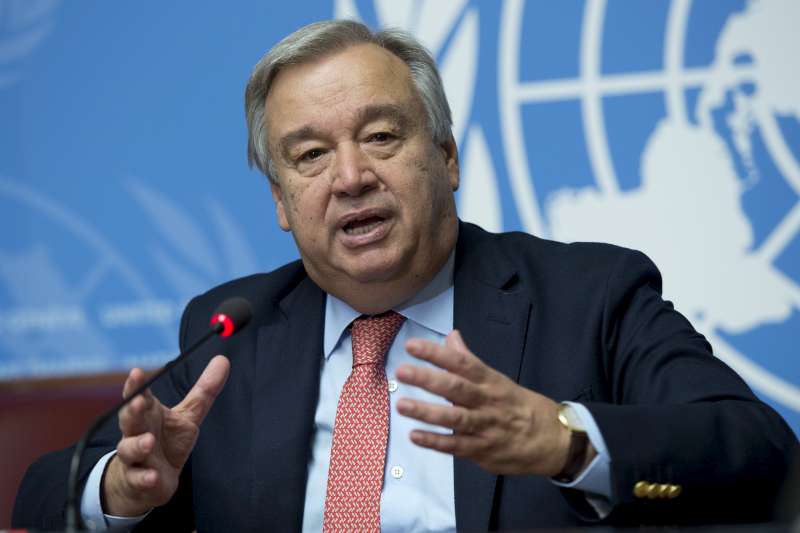
The Secretary-General of the United Nations (UN), António Guterres, has issued a strong warning that the global body is facing a severe financial crisis that could push it toward a near-total operational breakdown, largely due to the persistent failure of some member states to pay their assessed contributions.
Guterres made the disclosure in a letter addressed to UN member states, where he stressed that chronic non-payment of dues and rigid budgetary rules have combined to create an unprecedented financial strain on the organisation. He cautioned that the situation now threatens the continuity of key UN operations, including humanitarian assistance, peace and security missions, and development programmes worldwide.
According to the UN chief, the organisation has entered what he described as a “critical phase that could significantly constrain the delivery of mandates.” He warned that unless all member states settle their outstanding arrears promptly, or existing financial regulations are reformed, the UN may be forced to operate on dangerously limited resources, potentially reaching a point where it can no longer function effectively.
Guterres revealed that by the end of 2025, unpaid assessed contributions owed to the UN stood at between $1.56 billion and $1.57 billion, further deepening the organisation’s budgetary crisis.
He also pointed to certain financial rules—particularly those requiring the UN to return unspent funds to contributing countries—as factors worsening the situation. These constraints, he noted, have left the organisation grappling with what he described as one of the most severe budget-related crises in its history.
The Secretary-General called on defaulting member states to urgently fulfil their financial obligations, while also urging a comprehensive review of existing budgetary regulations that hinder the UN’s ability to manage resources efficiently.
The warning comes as the United Nations continues efforts to cut costs and rebalance its proposed 2026 budget, yet remains under intense financial pressure due to insufficient and delayed funding from member countries.