


By Taibat Ummi Yakubu
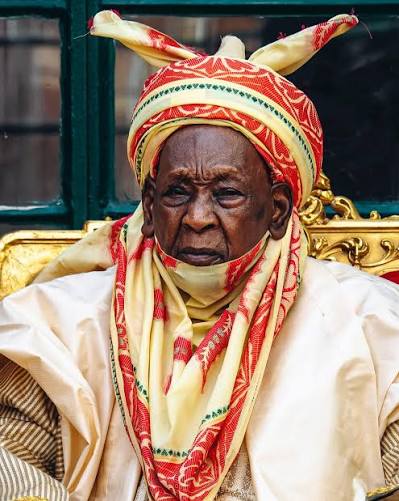
The Emir of Daura, Alhaji Faruq Umar-Faruk, has thrown his weight behind tougher punishment for drug trafficking, asking federal lawmakers to consider making the offence punishable by death in Nigeria.
The traditional ruler believes the country's existing measures against the illegal drug trade need to be strengthened, warning that the consequences of drug abuse and trafficking pose a serious threat to the future of communities, particularly in Northern Nigeria.
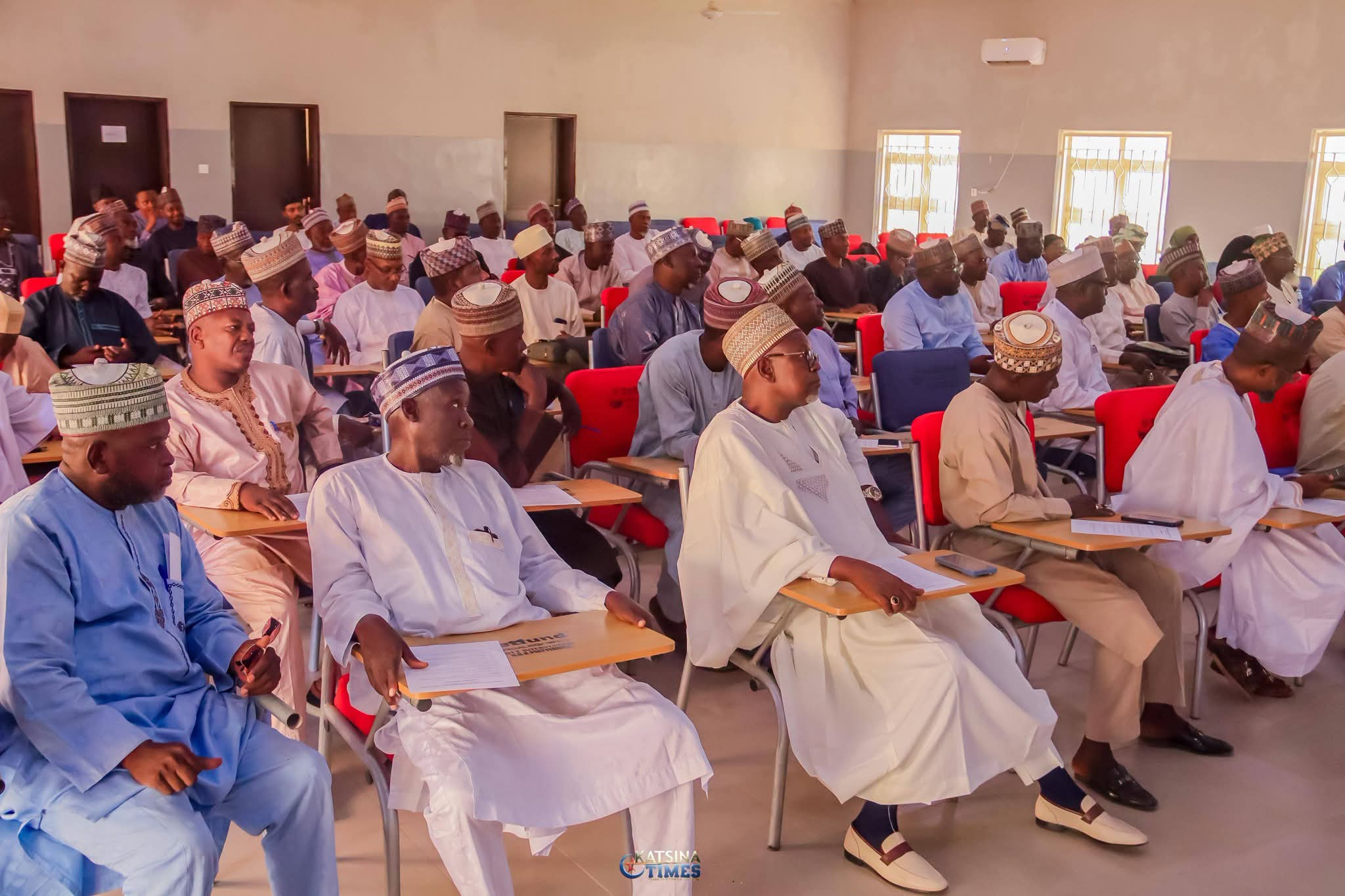
He made the appeal on Tuesday when the Speaker of the House of Representatives, Tajudeen Abbas, and officials of the National Orientation Agency (NOA) held a public engagement with residents in Daura, Katsina State.
Rather than limiting his concerns to general appeals for action, the Emir directly tasked Abbas with taking the proposal to the National Assembly, urging him to secure the cooperation of the Senate in pushing for the legislation.
“I want you to convey my message to my son, Tajudeen Abbas, to collaborate with the Senate and enact a law prescribing the death penalty for anyone convicted of drug trafficking,” he said.
Umar-Faruk further pledged to support efforts aimed at eliminating drug abuse and trafficking, describing the campaign as a crucial battle that requires the involvement of traditional institutions, government authorities and the wider society.
The Daura meeting was part of a public awareness campaign targeting drug-related offences and domestic violence, with organisers seeking to encourage communities to take a more active role in addressing the problems.

Representing NOA Director-General Lanre Issa, the agency's Director of Special Duties, David Akoji, acknowledged the Emir's support and assured him that the organisation would continue working with relevant institutions to confront drug abuse and other harmful social practices.
The agency's Katsina State Director, Haruna Ibrahim-Malumfashi, offered an explanation for bringing the programme to the state, pointing to available figures suggesting that drug-related problems remain widespread across the Northwest.
He said the initiative was intended to strengthen community involvement and encourage different groups to work together rather than leave the responsibility of tackling the menace to government agencies alone.
The gathering attracted representatives of government, traditional and religious institutions, the National Drug Law Enforcement Agency (NDLEA), civil society organisations and residents, all brought together to discuss ways of addressing the challenges.
The Emir's proposal now places the question of tougher punishment for drug trafficking before the country's federal lawmakers, although no legislative action on the proposed death penalty was announced at the meeting.

Comments (0)
No comments yet. Be the first to share your thoughts!