


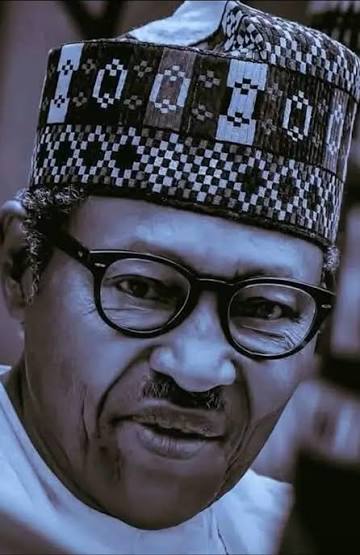
Former Minister of Aviation, Hadi Sirika, has described the late former President Muhammadu Buhari as a leader whose defining legacy was an unwavering commitment to ordinary Nigerians, insisting that the former president remained devoted to the welfare of the masses throughout his military and civilian leadership years.
Sirika made the remarks while reflecting on Buhari’s legacy following the former president’s death, as tributes continue to pour in from political allies, associates and citizens across the country. His comments come amid preparations by President Bola Tinubu and key figures within the ruling All Progressives Congress (APC) to commemorate Buhari’s first posthumous anniversary.
Speaking on the former president’s impact, Sirika said Buhari’s political philosophy was rooted in social democracy and a deep concern for the less privileged.
According to him, while opinions about Buhari’s legacy remain divided, the former leader’s dedication to improving the lives of ordinary Nigerians was never in doubt.
“His greatest legacy was staying true to his character. He was a pro-people social democrat whose primary concern was always the masses. He remained passionate about uplifting those at the bottom of the ladder throughout his life and administration,” Sirika said.
Why Buhari Rejected Simultaneous Fuel Subsidy Removal, Naira Float
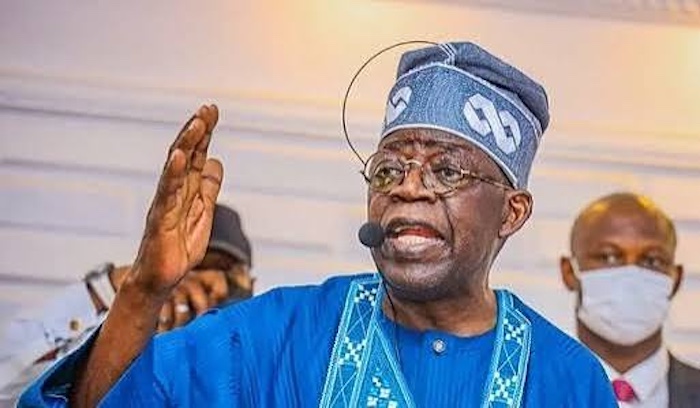
The former minister also drew comparisons between the administrations of Buhari and President Bola Tinubu, noting that both leaders faced different realities and adopted different strategies in addressing economic challenges.
He described Tinubu’s decision to remove fuel subsidies and float the naira as bold reforms but revealed that Buhari deliberately avoided implementing both measures simultaneously because of concerns about the hardship such policies could impose on Nigerians.
Sirika disclosed that Buhari acknowledged the flaws in the subsidy regime but was cautious about the social consequences of abrupt reforms.
“President Tinubu believes those decisions will benefit the country in the long run. Buhari also understood the challenges associated with subsidies and exchange rate management, but he was concerned about the immediate impact on citizens if both policies were introduced at once,” he explained.
Sirika Rejects Claims Buhari Left a Troubled Economy
Responding to suggestions from some quarters that Buhari handed over an economy requiring painful corrective measures, Sirika strongly disagreed, insisting that the former president left office with solid economic and social indicators.
He described claims that Buhari’s administration plunged Nigeria into hardship as subjective assessments, maintaining that his experience in government showed a different reality.
“The view that the economy required drastic reforms is the opinion of the current government. From what I saw while serving in government, President Buhari performed exceptionally well economically, and the country was in a good position regarding both economic and social indicators,” he said.
Sirika further argued that Buhari handed over what he termed a flourishing nation and stressed that both Buhari’s and Tinubu’s policy directions were guided by the broader vision of the APC rather than personal preferences.
The Story Behind ‘Baba Go-Slow’
The former aviation minister also addressed the popular nickname “Baba Go-Slow,” often associated with Buhari during his early years in office.
According to him, the label emerged largely because of the time Buhari took to appoint ministers and form his cabinet after assuming office in 2015.
He said Buhari believed governance required patience and careful planning rather than rushed decisions.

“People called him Baba Go-Slow because he took his time assembling his government. But Buhari believed it was better to think through policies carefully than make hasty decisions that could create bigger problems later,” Sirika noted.
Defending Buhari’s performance, Sirika highlighted what he described as major gains in security, particularly the recovery of territories once occupied by Boko Haram insurgents.
He recalled that at the beginning of Buhari’s administration, 17 local government areas were reportedly under insurgent control, while bomb attacks were frequent across parts of the country.
According to him, the administration succeeded in reclaiming those territories, weakening Boko Haram’s operations and improving security conditions in several affected regions.
Sirika also credited Buhari with strengthening Nigeria’s foreign reserves and creating intervention funds aimed at supporting entrepreneurship and private-sector growth.
Nigeria Air, Airport Concessions Stalled by Court Cases
On the controversial Nigeria Air project and airport concession programme, Sirika maintained that both initiatives were successfully completed under Buhari’s administration but became trapped in legal disputes.
He insisted that the concession process for major airports in Lagos, Abuja, Kano and Port Harcourt was transparent and conducted in line with regulatory requirements.
According to him, litigation initiated by one of the bidders halted implementation after winners had already been announced.
“The process was completed, and concessionaires were selected. However, court actions delayed implementation. Once the legal issues are resolved, the process can move forward,” he said.
Regarding Nigeria Air, Sirika stated that the national carrier project had reached the launch stage before legal challenges emerged from members of the Airline Operators of Nigeria (AON).
While declining to comment extensively because the matter remains before the courts, he expressed confidence that the project could still take off once litigation is concluded.
“The project was fully completed and ready for launch before it became entangled in court cases. I believe that once the legal process is exhausted, Nigeria Air will eventually fly,” he said.
Sirika’s remarks add to the ongoing debate over Buhari’s legacy, with supporters highlighting his anti-corruption stance, security interventions and infrastructure investments, while critics continue to question his administration’s economic record and handling of national challenges.

.jpg)
Comments (0)
No comments yet. Be the first to share your thoughts!