



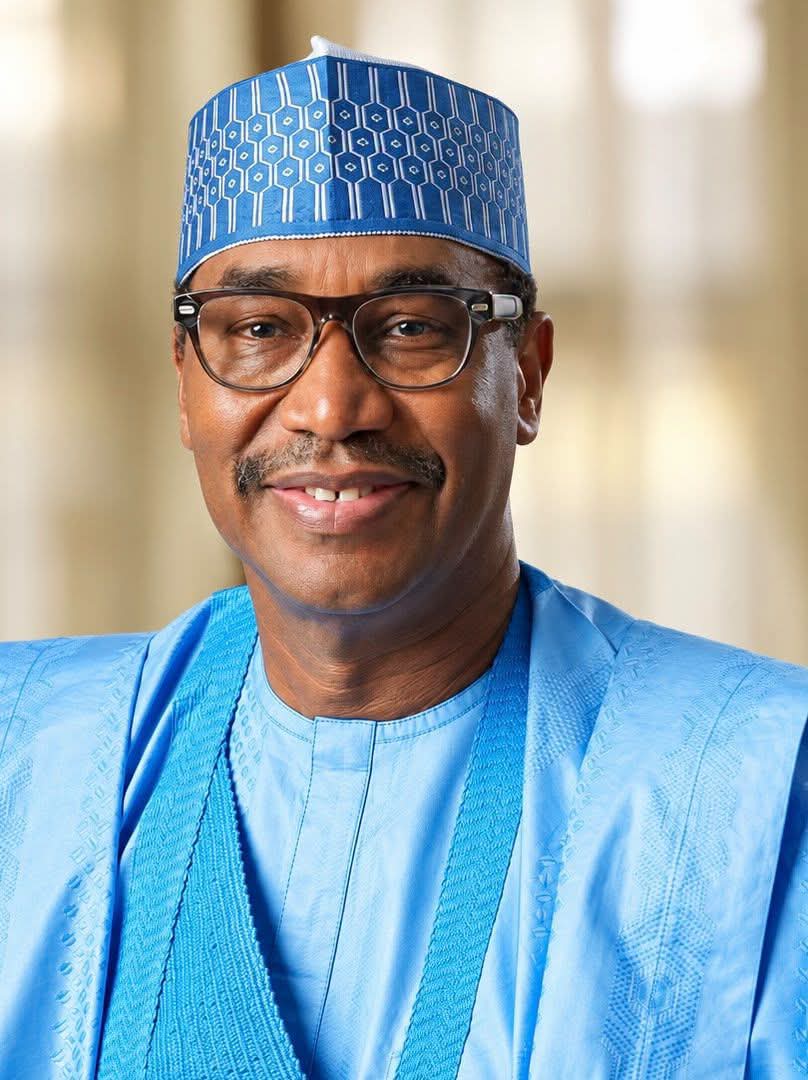
Former Director-General of the Department of State Services (DSS), Lawal Daura, has said Nigeria cannot effectively tackle kidnapping, terrorism, and other violent crimes through physical security measures alone, stressing that quality intelligence gathering and stronger collaboration among security agencies remain critical to addressing the country's security challenges.
Speaking during an interview with ARISE NEWS on Monday, Daura expressed concern over the persistent wave of insecurity across the country, describing recent incidents as a continuation of a troubling pattern that has plagued Nigeria for more than a decade.
He cited the abductions of the Chibok and Dapchi schoolgirls, as well as the recent kidnapping of school pupils in Oyo State, as examples of recurring security failures that require urgent lessons and strategic reforms.
According to him, every major kidnapping incident should be followed by a thorough review involving victims, eyewitnesses, and security personnel involved in rescue operations to uncover intelligence gaps and improve future responses.
Daura noted that while physical security measures remain important, they are only effective when supported by actionable intelligence and seamless cooperation among security institutions.
“The issue of insecurity has remained a major concern for all Nigerians over the past two decades. Security is a matter that affects everyone because safety is the first consideration of every citizen. Physical security is very important, but what complements it is the ability to generate and utilise quality intelligence. In many cases, intelligence may exist, but poor coordination and collaboration among agencies often undermine its effectiveness,” he said.
The former DSS chief also addressed concerns over the inability of authorities to successfully prosecute perpetrators of large-scale kidnappings and violent crimes. He argued that the challenge is not necessarily the absence of political will but the failure to apply it appropriately.
He maintained that while elected leaders possess ultimate authority over security matters, operational decisions should be left to trained professionals with the expertise to execute effective strategies.
Daura warned against situations where political actors become overly involved in security operations, saying such interference could undermine the effectiveness of professional security personnel.
On the recent rescue of abducted pupils in Oyo State, he dismissed suggestions that the operation had significantly weakened the Ansaru terrorist network.
According to him, available reports indicated that the kidnappers abandoned the victims and escaped, meaning valuable intelligence that could have aided future operations may have been lost.
“I do not think the operation has substantially degraded the group's capabilities. From reports available in the media, the abductors appeared to have escaped. Those with critical information that could assist security agencies may no longer be within reach. As the saying goes, he who fights and runs away lives to fight another day,” he stated.

Daura also used the interview to dismiss long-standing allegations that former President Muhammadu Buhari governed through a powerful inner circle or “cabal.”
He described such claims as misconceptions created by individuals who sought influence within the administration but were unable to achieve their objectives.
“There was nothing like a cabal. It existed largely in the imagination of some members of the public and individuals who wanted to take control of the administration but could not find any legitimate basis to do so,” he said.
Responding to claims that he continued to wield significant influence within the country's security architecture after leaving office, Daura said his contributions were limited to advisory inputs aimed at supporting government efforts.
He explained that his commitment to national service did not end with his retirement, noting that his professional oath obliges him to continue offering constructive advice whenever necessary.
On debates over whether insecurity tends to worsen under presidents from certain regions of the country, Daura rejected the argument as inaccurate and unsupported by historical evidence.
He attributed such perceptions to a poor understanding of Nigeria’s history and urged citizens to examine broader institutional and leadership issues rather than reducing security challenges to regional politics.
According to him, developments over the past decade have shown that insecurity is not determined by the geographical origin of the president but by the competence of those entrusted with critical responsibilities.
Daura argued that some individuals occupying strategic positions may lack the required capacity for their roles but continue to enjoy protection due to political patronage.
He stressed that addressing insecurity requires capable leadership, professional expertise, accountability, and stronger intelligence coordination, rather than focusing on the ethnic or regional identity of political leaders.


Comments (0)
No comments yet. Be the first to share your thoughts!