


The Nigeria Union of Journalists (NUJ) has expressed concern over what it described as the growing and largely unregulated involvement of foreign actors in Nigeria’s media space, warning that the trend could worsen the country’s security challenges if left unchecked.
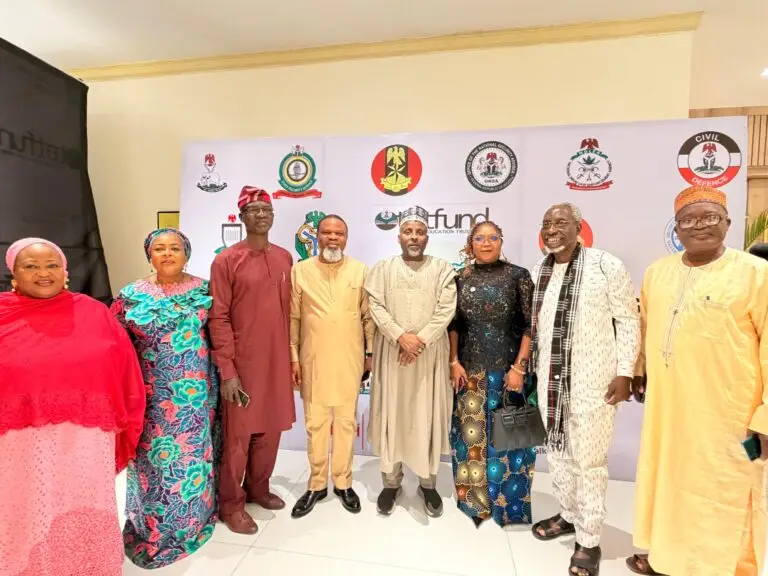
NUJ National President, Alhassan Yahaya-Abdullahi, raised the concern on Friday during the second day of the National Security Summit jointly organised by the union and the Department of State Services (DSS) in Abuja.
The summit, themed “Media and Security Agencies as Partners in Nation Building,” brought together journalists, security experts and former military spokespersons to discuss strategies for strengthening cooperation in tackling Nigeria’s security issues.
Yahaya-Abdullahi said the media must remain conscious of its responsibility to protect national interests, urging journalists to ensure that their reports promote security, unity and development.
According to him, the increasing presence of foreign interests in the nation’s information ecosystem requires closer scrutiny and appropriate regulatory measures to prevent possible threats to national stability.
The NUJ president also identified malnutrition as a critical but often neglected factor affecting national security. He noted that poor nutrition among children could result in stunted growth and reduced cognitive development, with long-term consequences for the country’s socio-economic progress and stability.
He stressed the importance of sustained collaboration between the media and security agencies, noting that both institutions have vital roles to play in shaping public understanding of security issues and fostering national cohesion.
In a separate presentation, President of the International Press Institute (IPI), Musikilu Mojeed, advocated regular dialogue between the media and government institutions as a more effective approach to resolving disagreements.
He cited previous instances where tensions involving security agencies were successfully resolved through engagement and communication rather than arrests, intimidation or other coercive actions.

Mojeed maintained that while differences between journalists and security agencies are inevitable, structured interaction and mutual understanding remain the best tools for preventing conflicts.
Also speaking, former Director of Defence Information, retired Maj.-Gen. Chris Olukolade, recalled an incident in which security operatives searched newspaper distribution vehicles based on intelligence suggesting they could be used to transport weapons.
He said the action generated public criticism and disrupted newspaper circulation, but the misunderstanding was quickly resolved through discussions between military authorities and media stakeholders.
Former Director of Naval Information, retired Commodore Kabir Aliyu, described journalists as strategic partners in national security efforts, warning that sidelining the media in critical security discussions could weaken efforts to combat threats.
Aliyu emphasised that effective communication remains essential in managing sensitive security matters and maintaining public confidence.
Former NUJ President, Chris Isiguzo, urged journalists to exercise greater caution when reporting security-related issues, noting that terrorist groups often seek to exploit media coverage to advance their objectives and spread propaganda.
The summit was attended by former NUJ presidents, media executives, security experts and leaders of the Nigeria Association of Women Journalists (NAWOJ), who collectively explored ways of deepening cooperation between the media and security institutions in the interest of national development.


Comments (0)
No comments yet. Be the first to share your thoughts!