


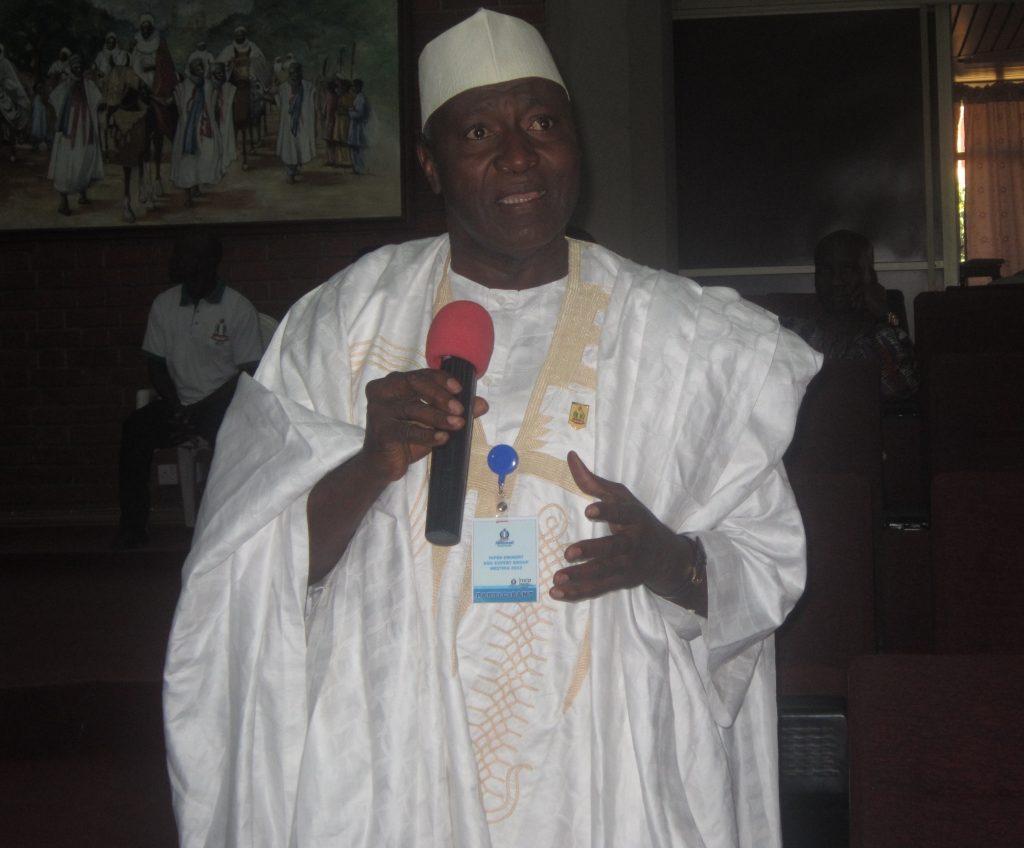
Activists, scholars and labour leaders on Wednesday gathered in Abuja to reflect on Nigeria’s radical political history and the legacy of the late Abubakar Sokoto Mohammed, with many describing the struggle for social justice in the country as an unfinished mission.
The occasion was a memorial symposium and book presentation held in honour of Mohammed, a sociologist, academic and former official of the National Institute for Policy and Strategic Studies (NIPSS), who died on December 11, 2025, at the age of 75.
Speakers at the event revisited Nigeria’s history of progressive activism, highlighting Mohammed’s role in pro-democracy movements and intellectual engagements that shaped radical politics from the 1970s through the military era.
They noted that while activists of that period were often perceived as dissidents or “troublemakers,” their contributions later proved central to advancing labour rights, democratic ideals and social reforms, particularly during the economic challenges of the Structural Adjustment Programme (SAP) era.
A former Nigerian Labour Congress (NLC) president, Ayuba Waba, recalled Mohammed’s contributions to labour education, noting that his collaboration with union leaders helped deepen political awareness among workers.
Similarly, the Director of Studies at NIPSS, Prof. Musa Umar, recounted instances of Mohammed’s principled stance during his time at the institute, including a period when his salary was withheld over disagreements with authorities.
Other speakers, including Prof. Tijjani Bande, stressed the enduring relevance of scholarship in nation-building, describing Mohammed as a committed intellectual who bridged academia and activism.
Participants also raised concerns over the current state of governance, citing declining public services, rising insecurity and unemployment, and warned that the marginalisation of progressive voices has weakened the country’s policy direction.
They emphasised the need to document the history of radical movements in Nigeria, arguing that the absence of detailed records has limited public understanding of their contributions and lessons.
In his remarks, Dr. Otive Igbuzor highlighted the importance of ideological clarity and documentation, noting that past reform efforts were guided by clear frameworks that are largely absent today.
Discussions at the symposium also focused on the growing influence of ethnic and religious narratives in Nigerian politics, with several speakers calling for a return to broader, issue-based engagement rooted in social justice and national development.
A review of Mohammed’s posthumous book on the Satiru Revolt in the Sokoto Caliphate further underscored his intellectual approach, with reviewers noting that he adopted a materialist perspective to analyse historical resistance movements beyond ethnic or religious interpretations.
The event drew participants from academia, civil society, labour organisations and former student activists, many of whom shared personal experiences of Mohammed’s mentorship and influence.
Stakeholders at the gathering called for renewed collaboration among progressive groups to revive ideological engagement and promote inclusive national discourse.