


TAIBAT UMMI YAKUBU
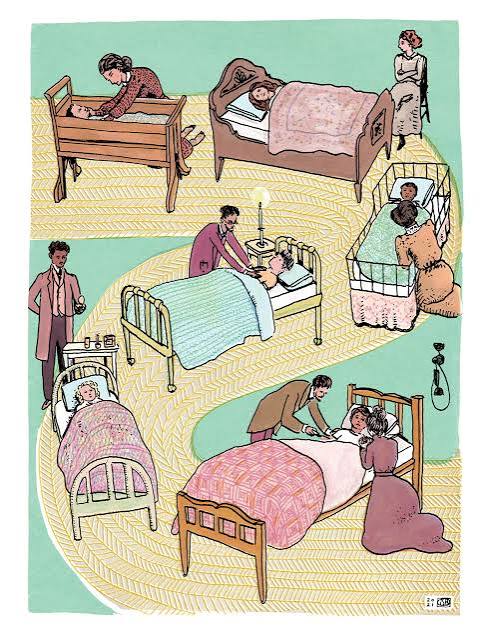
Northern Nigeria is bearing the heaviest burden of Nigeria’s diphtheria outbreak, with Kano State alone accounting for more than 24,000 confirmed cases, raising fresh concerns about childhood immunisation, access to healthcare and the country’s ability to contain the disease.
Data from the Nigeria Centre for Disease Control and Prevention (NCDC), covering epidemiological week 19 of 2022 to week 51 of 2025, recorded 40,085 confirmed cases and 2,143 deaths nationwide.
Kano recorded 24,683 cases, representing 61.6 per cent of the national total, while children aged between one and 14 years accounted for the largest share of those infected.
The figures have renewed calls for governments across the country, particularly in the North, to intensify vaccination campaigns, improve access to treatment and strengthen public health facilities to prevent further deaths.
Diphtheria is a vaccine-preventable bacterial infection that mainly affects the respiratory system. It spreads through respiratory droplets and close contact with infected persons. In severe cases, it can produce a thick greyish membrane in the throat, obstructing breathing and potentially causing death.
The toxin released by the bacteria can also damage vital organs, including the heart, kidneys and nervous system. Some infected people may carry and transmit the organism without showing obvious symptoms.
Although vaccination offers strong protection against severe illness and death, health experts stress that immunisation must be supported by early diagnosis, appropriate treatment, infection prevention and the monitoring of people who have been in contact with infected patients.
The concentration of cases in northern states has drawn attention to longstanding challenges affecting childhood immunisation and healthcare delivery, including limited access to rural health facilities, vaccine hesitancy, misinformation, insecurity, displacement, inadequate cold-chain facilities and shortages of trained health workers.
The situation in Kano, which accounts for more than three-fifths of the confirmed cases recorded in the period under review, has particularly highlighted the need for stronger primary healthcare services and targeted vaccination programmes in communities with low immunisation coverage.

Calls for Emergency Response
A nine-point action plan proposed to tackle the outbreak urges federal, state and local governments to treat diphtheria as an urgent public health priority rather than wait for further increases in infections and fatalities.
A major recommendation is the expansion of routine childhood immunisation alongside targeted vaccination campaigns in communities with high transmission rates. The plan also calls for the identification of children who have missed recommended vaccine doses and the provision of catch-up immunisation in line with national guidelines.
It further urges governments to ensure adequate supplies of diphtheria antitoxin, a critical treatment for respiratory diphtheria that works by neutralising circulating toxins before they attach to body tissues.
The proposed intervention stresses that antitoxin must be available at designated treatment centres and referral hospitals, with reliable procurement and distribution arrangements to prevent shortages.
It also calls for improved infection prevention and control in hospitals through adequate isolation facilities, ventilation, protective equipment, handwashing materials and proper waste disposal.
The plan warns that healthcare workers managing infected patients are facing considerable emotional and physical pressure, particularly in facilities dealing with severe cases and repeated deaths.
A senior paediatric consultant at a hospital in north-western Nigeria, whose identity was not disclosed, described the toll on medical personnel while recounting the deaths of children at her facility.
“Two children just died in my isolation centre, and another may soon die from cardiac and kidney complications. Some die from severe airway obstruction or nerve paralysis, including paralysis of the diaphragm, because we do not have antitoxin to give these children,” she said.
The consultant also expressed concern over the emotional condition of doctors and nurses, saying the repeated loss of young patients had left members of the medical team traumatised and exhausted.
The proposed response therefore recommends improved staffing, supportive supervision, psychological support, adequate rest arrangements and occupational health services for frontline personnel.
Another priority is the prompt administration of appropriate antibiotics to patients, alongside the identification and management of close contacts. Health authorities are also urged to strengthen contact tracing and provide preventive antibiotics and vaccination to exposed persons where indicated.
The plan calls for expanded laboratory capacity, better disease surveillance and improved reporting systems to ensure suspected cases are identified and managed without unnecessary delays.
It also recommends stronger community engagement through traditional rulers, religious leaders, women’s groups, youth organisations and civil society organisations.
The involvement of these institutions is considered important in addressing misinformation, encouraging parents to complete their children's vaccination schedules and promoting early presentation at health facilities when symptoms appear.
Funding, Accountability and Political Commitment
Beyond medical interventions, the proposed measures place considerable emphasis on funding and political leadership.
Federal, state and local governments are urged to make specific budgetary provisions for vaccines, antitoxin, laboratory services, medical supplies, staff training, surveillance and community awareness campaigns.
The National Assembly and State Houses of Assembly are also being called upon to monitor the release and utilisation of funds allocated to outbreak control.
The plan recommends regular public reporting on vaccine availability, antitoxin stocks, immunisation coverage, expenditure and disease trends to ensure accountability.
It further advocates a coordinated national and northern regional response involving the Federal Ministry of Health and Social Welfare, NCDC, National Primary Health Care Development Agency, state ministries of health and development partners.
Such coordination, it argues, would help governments identify high-transmission areas, distribute essential medicines, organise vaccination campaigns and share surveillance information across state boundaries.
The appeal also stresses that diphtheria control should not be turned into a political blame game, urging governors, legislators, local government chairpersons and party leaders to cooperate in protecting vulnerable communities.
## ‘Children are not statistics’
The appeal calls on political office holders, traditional institutions, religious leaders and community stakeholders to recognise the human consequences of the outbreak, particularly for families who have lost children or are struggling to access treatment.
It argues that the deaths recorded during the outbreak should not be treated merely as statistics, but as a reminder of the responsibility of public institutions to protect lives through accessible and properly funded healthcare.
Although vaccines, antitoxin, antibiotics and other public health interventions are available, the appeal maintains that their effectiveness depends on timely access, adequate financing and coordinated implementation.
It therefore urges political leaders to translate public statements into practical measures, insisting that the response should be assessed by the lives protected and preventable suffering avoided.


Comments (0)
No comments yet. Be the first to share your thoughts!