


By Taibat Ummi Yakubu
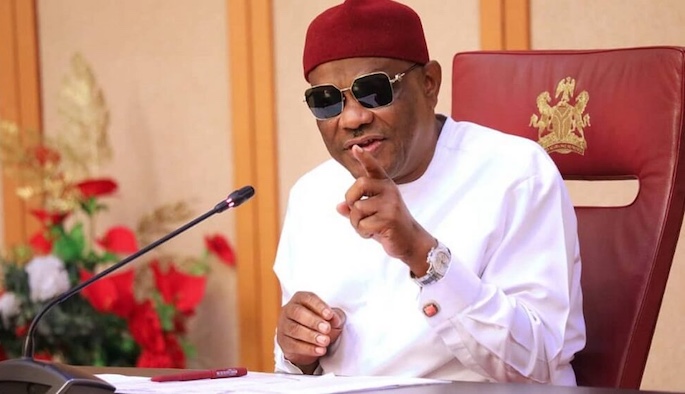
Minister of the Federal Capital Territory (FCT), Nyesom Wike, has revealed that the G5 governors adopted a political strategy during the 2023 presidential election that helped Labour Party candidate Peter Obi secure victories in parts of the South-South region, a move he said was aimed at weakening the chances of former Vice President Atiku Abubakar.
Wike made the disclosure on Monday while speaking during an interview on TVC’s Journalists’ Hangout, offering fresh insight into the internal political calculations that shaped the last presidential election.
According to the former Rivers State governor, members of the G5 — a group of influential Peoples Democratic Party (PDP) governors who opposed the party’s leadership ahead of the 2023 polls — considered Atiku their primary political target. As a result, they sought ways to reduce the PDP candidate’s traditional advantage in the South-South, a region long regarded as one of the party’s strongest strongholds.
Wike explained that the group concluded that allowing Peter Obi to gain ground in parts of the region would be more damaging to Atiku than if the PDP retained its usual dominance there.
He said the strategy was based on the belief that a poor showing by the PDP in a region where it traditionally enjoyed widespread support would be viewed as a major setback for Atiku’s presidential ambition.
The FCT minister, however, noted that Rivers State was treated differently. According to him, he resisted the idea of allowing Obi to emerge victorious in the state because such an outcome could have created political interpretations and signals that he was unwilling to send at the time.
Wike’s comments provide one of the clearest acknowledgements yet of the role played by the G5 governors in reshaping voting patterns during the 2023 election, particularly in areas where the PDP had historically maintained strong electoral support.

Beyond discussing the South-South political dynamics, Wike also reflected on factors that contributed to Peter Obi’s popularity during the election campaign.
He said one of the major issues that influenced voter behaviour was the controversy surrounding the All Progressives Congress (APC) Muslim-Muslim presidential ticket, which generated intense debate across parts of the country.
According to him, the religious argument resonated with many voters and contributed to the momentum enjoyed by Obi’s campaign. Wike disclosed that even some members of his own family supported the Labour Party candidate during the election period.
However, he argued that the political environment has changed significantly since then and suggested that the issue no longer carries the same weight it did during the 2023 campaign.
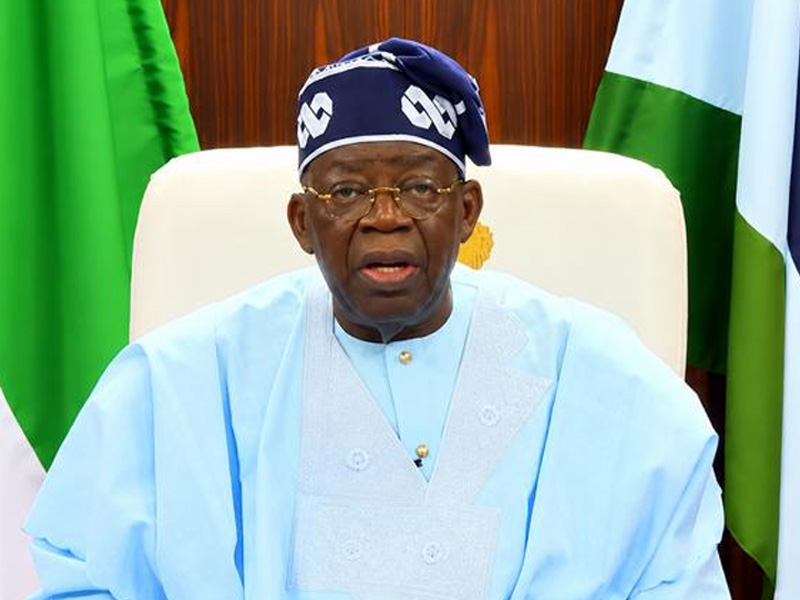
The minister maintained that President Bola Tinubu’s administration has altered the political conversation, reducing the influence of the religious narrative that featured prominently in the last election cycle.
Looking ahead to the 2027 presidential contest, Wike expressed confidence that Obi would struggle to replicate his previous electoral performance. He argued that the political realities and support structures required to mount a successful challenge are different from those that existed in 2023.
The remarks are likely to fuel further debate within opposition circles, especially among PDP and Labour Party supporters, as political actors begin positioning themselves ahead of the next general election.
Wike’s latest comments also offer a rare glimpse into the behind-the-scenes calculations that shaped alliances, rivalries and voting patterns during one of Nigeria’s most fiercely contested presidential elections, underscoring how internal party disputes played a significant role in determining the outcome across several key states.
Comments (0)
No comments yet. Be the first to share your thoughts!