


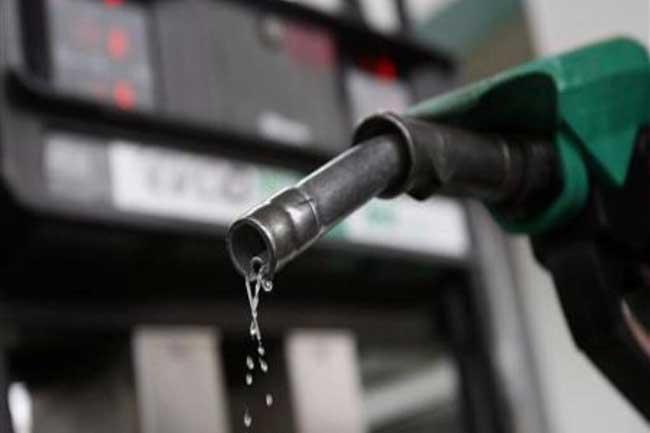
Nigerians are intensifying calls for a reduction in petrol pump prices, questioning why fuel continues to sell for between N1,250 and N1,360 per litre despite a significant decline in global crude oil prices to about $72 per barrel.
The growing public frustration comes amid expectations that the easing of international oil prices should translate into lower domestic fuel costs. Many consumers argue that while marketers and refiners swiftly increased pump prices during periods of soaring crude prices, the same urgency has not been demonstrated in reducing prices now that the market has stabilised.
The debate has gained further attention following reports that the Dangote Refinery recently secured two cargoes of crude oil from the United Arab Emirates, marking its first crude imports from the Middle East as it seeks to diversify supply sources.
According to market intelligence firm S&P Global, the cargoes represent a strategic shift by the refinery from its traditional reliance on African and United States crude grades to heavier crude blends from the Gulf region.
Despite mounting public pressure, energy experts insist that the persistence of high petrol prices is driven by economic realities rather than profiteering.
Speaking on the issue, Managing Partner of The Energy Consulting Practice, Mr. Kelvin Emmanuel, explained that the delay in price reductions is largely linked to the cost of existing inventory purchased when crude prices were significantly higher.
He noted that while international crude prices have fallen, refiners are still processing cargoes acquired at premium rates, making immediate price cuts financially challenging.
“Refineries have already paid for crude cargoes at higher dated prices. Until those supplies are exhausted, it is difficult to reflect current market prices at the pump. A sudden reduction of N250 or N300 per litre could result in substantial financial losses,” Emmanuel said.
He also pointed to the Petroleum Industry Act (PIA), noting that the Nigerian Midstream and Downstream Petroleum Regulatory Authority (NMDPRA) has yet to fully implement transfer pricing rules that would ensure a more transparent link between crude oil prices and domestic fuel prices.
According to him, effective implementation of such regulations would help create a more predictable pricing mechanism for petroleum products.
Consumers, however, remain unconvinced.
One motorist expressed frustration over the situation, arguing that crude oil prices have already fallen below levels recorded before recent geopolitical tensions in the Middle East, yet fuel prices remain elevated.
“The expectation is simple. If fuel prices were increased when crude oil surged, they should also come down when crude prices fall. Petrol should not still be selling above N1,000 per litre under current market conditions,” the consumer said.
Another fuel user maintained that pump prices should already be below N900 per litre considering prevailing global oil prices.
Providing further insight, Emeritus Professor of Petroleum and Energy Economics, Prof. Wumi Iledare, described the phenomenon as “asymmetric price transmission,” where increases in costs are reflected much faster than decreases.
“Price increases tend to move like an elevator, while price reductions often descend like a staircase,” he explained.
According to Iledare, products currently in storage were purchased at higher costs, and abrupt reductions could expose marketers and refiners to losses while disrupting supply stability.
He further identified exchange rate fluctuations as a major factor influencing domestic fuel prices.
“Petroleum products and their production inputs are largely denominated in U.S. dollars. Any depreciation of the naira can offset the benefits of lower crude oil prices, meaning cheaper crude does not automatically translate into lower pump prices,” he said.
The energy economist also noted that refined petroleum products are influenced by factors beyond crude oil prices, including refining margins, seasonal demand patterns, global product shortages, and supply chain disruptions.
Similarly, Chief Executive Officer of AHA Consultancies, Mr. Ademola Adigun, said fuel prices are unlikely to decline immediately, stressing that the market requires time to adjust.
“It takes weeks, not days, for the impact of lower crude prices to be reflected in retail fuel prices. Marketers who purchased products at higher costs cannot simply sell at a loss,” Adigun stated.
He added that industry players are also exercising caution amid lingering uncertainty in the global oil market.
“If another disruption occurs in the Middle East, prices could rise again. Market participants are therefore monitoring developments carefully before making major adjustments,” he said.
As Nigerians continue to grapple with rising living costs, attention remains fixed on the Dangote Refinery, NNPC, and fuel marketers, with many hoping that sustained declines in global crude oil prices will soon bring long-awaited relief at the pump.

Comments (0)
No comments yet. Be the first to share your thoughts!