



By KatsinaTimes
Abuja/Washington, April 20, 2026 —
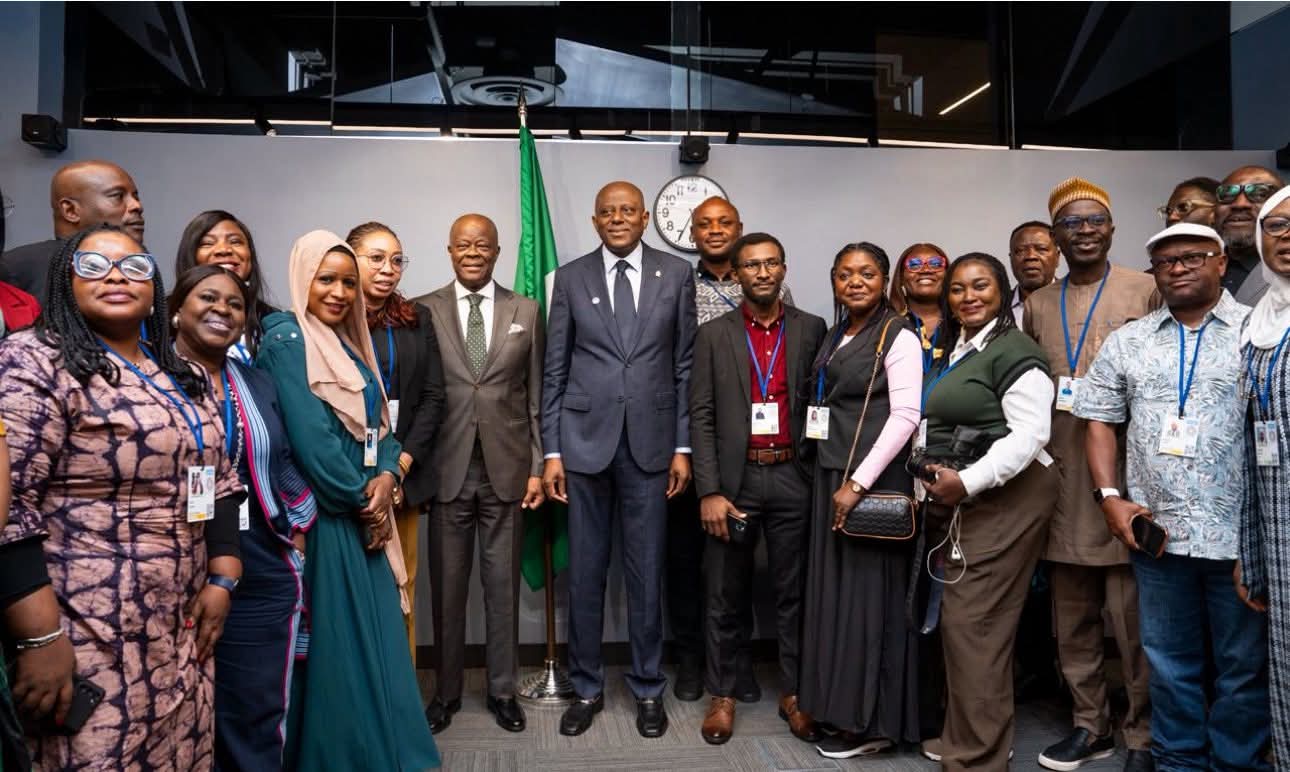
Governor of the Central Bank of Nigeria (CBN), Olayemi Cardoso, has reaffirmed that Nigeria’s economic reform programme remains firmly on course, as the 2026 Spring Meetings of the International Monetary Fund and World Bank concluded in Washington, D.C.
Cardoso said the apex bank is focused on consolidating recent gains, sustaining ongoing reforms, and strengthening institutional capacity to ensure long-term macroeconomic stability.
He noted that Nigeria demonstrated strong leadership at the global meetings, reaffirming its commitment to reforms aimed at promoting stability, growth, and economic opportunity.
According to the CBN governor, Nigeria’s reform trajectory continues to stand out despite prevailing global uncertainties, with policies geared towards strengthening the naira, boosting foreign reserves, and enhancing investor confidence alongside capital inflows.
Cardoso stated that early outcomes of the reforms are already evident in easing inflationary pressures, improved stability in the foreign exchange market, and a more effective monetary policy framework, which he said are laying a solid foundation for sustainable economic growth.
He also disclosed that Nigeria is set to host the African Monetary Institute (AMI) in Abuja, describing the development as a strategic milestone towards advancing monetary cooperation and financial integration across the continent.
On the banking sector, Cardoso highlighted the success of the recent recapitalisation exercise, which raised ₦4.65 trillion. He said the exercise attracted a broad mix of investors, with 72.55 per cent domestic participation and 27.45 per cent foreign, reflecting both local confidence and international interest in Nigeria’s financial system.
The CBN governor further stated that the bank’s target of achieving $1 billion in monthly diaspora remittances by the end of 2026 remains on track. He urged commercial banks to leverage reforms introduced by the apex bank to ensure seamless and efficient remittance inflows from Nigerians in the diaspora.
Expressing optimism about the country’s external reserves, Cardoso said the foreign exchange market has become increasingly market-driven, with sufficient liquidity to function effectively.
He also reaffirmed the CBN’s partnership with AFRITAC West II, stressing the importance of capacity building and institutional strengthening through sustained investment in human capital.
“Our focus remains unwavering—sustaining reforms, strengthening institutions, and ensuring data-driven decision-making that supports a stable and growing economy for all Nigerians,” Cardoso said.