


TAIBAT UMMI YAKUBU
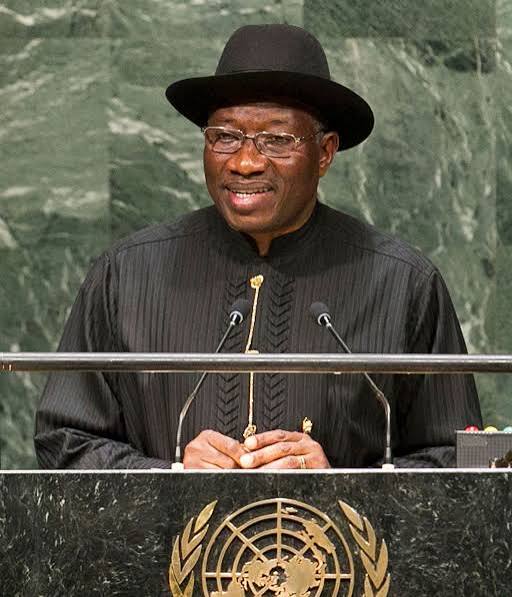
Former President Goodluck Jonathan has warned that Nigeria’s political atmosphere ahead of the 2027 general elections is becoming increasingly tense, cautioning that political violence, intolerance and ethnic divisions could undermine national unity and threaten the country’s stability.
Jonathan raised the concerns on Tuesday in Abuja at a peace and security conference organised by the Goodluck Jonathan Foundation, where he called for urgent action to prevent political competition from turning into violence.
The conference, themed “Safeguarding Peace and Strengthening Social Cohesion in a Competitive Political Environment,” brought attention to the challenges facing Nigeria as political activities gradually intensify ahead of the next general elections.
The former president said he had received calls from Nigerians and people outside the country who were worried about the direction of the nation’s politics and the possibility of post-election crises.
He said the growing apprehension should not be ignored, warning that the country needed an atmosphere where political disagreements could be managed without threatening peace and security.
One of the issues Jonathan identified was what he described as the growing culture of political intolerance, where some political actors appeared unwilling to accept opposing opinions or acknowledge the right of others to seek political office.
He expressed concern that political parties and campaign organisations were increasingly behaving like cult groups, with young people allegedly recruited and used to intimidate opponents and perpetrate violence.
“There appears to be an increasing unwillingness among political actors to accommodate opposing views or recognise the legitimate right of others to compete for political power,” he said.
He added that political thuggery, the use of young people as instruments of violence and other acts of political brigandage were becoming serious threats to the democratic process.
“It’s becoming obvious. We are running political organisations — campaign teams as cult groups,” Jonathan said.
The former president also questioned the impact of conflicting court judgments on public confidence in the judiciary, particularly when courts of coordinate jurisdiction deliver contradictory decisions on similar disputes.
While acknowledging the judiciary’s constitutional responsibility to interpret the law and resolve disputes, he warned that inconsistent rulings could weaken public trust in the courts and create tension within the political system.
Jonathan said the independence and credibility of the judiciary must be protected, warning that citizens who lose confidence in legal institutions could resort to taking the law into their own hands.
“We must protect the integrity and independence of our judiciary. When citizens begin to lose faith in the courts and resort to self-help, the consequences can be disastrous,” he said.

He cautioned that the erosion of confidence in public institutions could create conditions for lawlessness, adding that preventing such a situation required collective responsibility.
Beyond political violence and judicial controversies, Jonathan warned against the growing possibility of ethnic divisions influencing the 2027 elections. He said political ambition must not be allowed to turn elections into contests between ethnic groups, either at the national or state levels.
According to him, deliberately encouraging ethnic rivalry could have serious consequences for Nigeria’s unity and peaceful coexistence.
“Nothing could be more dangerous to our national existence than the deliberate encouragement of ethnic rivalry,” he said.
Jonathan urged political leaders and their supporters to avoid rhetoric and actions that could deepen divisions among Nigerians, stressing that the country's diversity should not become a tool for political competition.
He also called for changes in the way political leaders emerge, arguing that Nigeria's current political recruitment process gives too much room to ethnic, religious and other identity-based considerations at the expense of competence and credibility.
Referring to remarks he had made during an earlier engagement in Lagos, the former president said the country needed a system that allowed capable and qualified individuals to emerge as leaders at both national and state levels.
He maintained that leadership selection should be based on the ability of candidates to serve the public and advance national development rather than their ethnic or religious backgrounds.
As the country approaches another election cycle, Jonathan urged Nigerians to pay closer attention to the character and capacity of those seeking public office, noting that the quality of leadership would have a significant impact on the nation's future.
“The future of our country depends on the choices we make. Leadership is very critical in the growth of any nation,” he said.
He called on voters to place competence, public service and national interest above prejudice and personal political ambitions, adding that Nigeria needed leaders capable of bringing people together and promoting collective progress.
“Let us choose competence over prejudice, service over personal ambition, and national interest over narrow considerations,” Jonathan said.
He warned that the responsibility for protecting Nigeria's democracy and maintaining peaceful relations among its people rested not only with political leaders but also with citizens, particularly as political activities increase ahead of the 2027 general elections.

.jpg)

Comments (0)
No comments yet. Be the first to share your thoughts!