


PHOTO NEWS By Taibat Ummi Yakubu
For the second year running, Nigeria’s Independence Day celebrations have passed without the traditional military parade, a development that continues to fuel questions about why one of the country’s most symbolic national ceremonies has quietly disappeared from the official programme.
The Federal Government marked Nigeria’s 66th Independence anniversary on Wednesday with a low-key schedule that included religious services, a public lecture and President Bola Ahmed Tinubu’s nationwide broadcast. Missing once again, however, was the military parade that had long been a central feature of October 1 celebrations.
The absence is particularly notable because the government has not publicly provided a specific reason for omitting the ceremony this year.
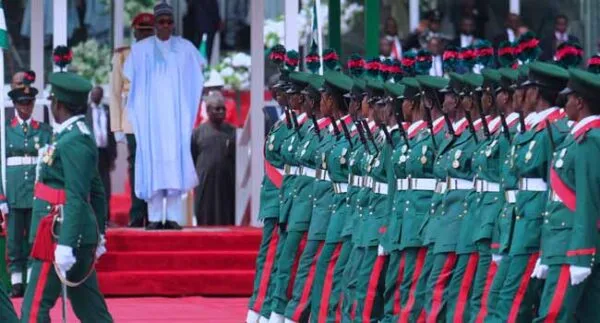
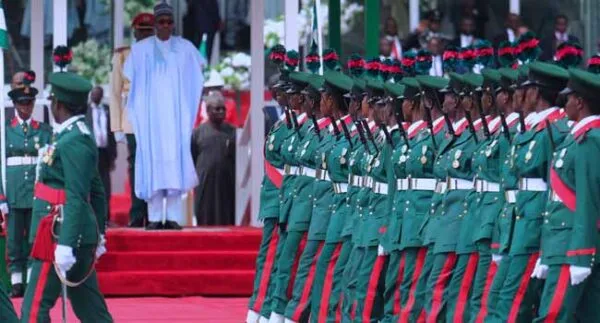
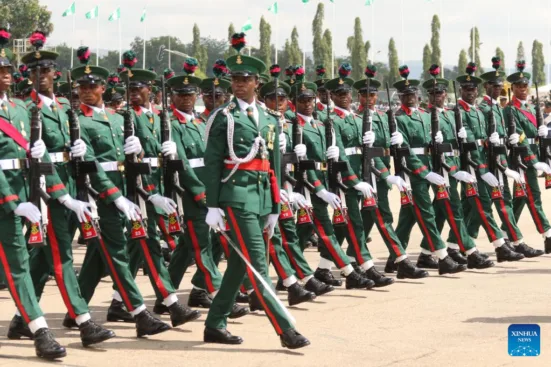
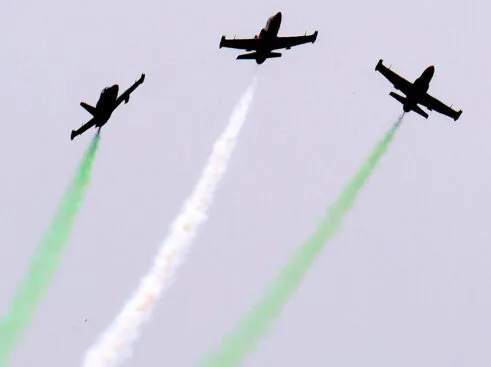
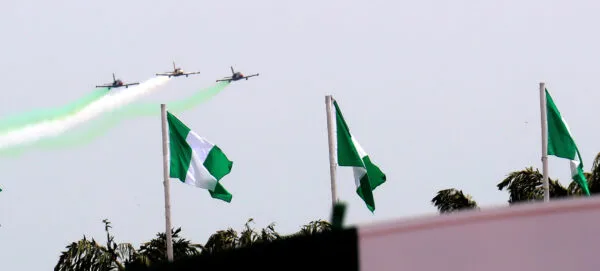
In previous years, Independence Day events typically featured colourful military displays, ceremonial drills, guards of honour and the presidential inspection of troops, drawing national attention and showcasing the country's armed forces.
As recently as October 1, 2024, President Tinubu presided over a full military ceremony at the Presidential Villa in Abuja, where he reviewed troops, observed military drills and witnessed the ceremonial change of guards alongside top government officials and military commanders.
That tradition was interrupted in 2025 when the Federal Government announced the cancellation of the parade ahead of the country's 65th Independence anniversary.
At the time, authorities insisted that the decision did not diminish the significance of the celebration and stated that other commemorative activities would proceed as planned.
The development came amid reports of the arrest of military officers over allegations that later evolved into a confirmed coup investigation, triggering widespread speculation about a possible connection between the two events.
Military authorities initially dismissed such claims.
The Defence Headquarters maintained that the cancellation was unrelated to any coup allegations, explaining instead that it was intended to accommodate President Tinubu’s international engagements and allow military personnel to remain focused on ongoing operations against insurgency, terrorism and banditry.
The military also described the initial arrests as routine disciplinary matters linked to professional misconduct.
However, the narrative shifted months later.
In January 2026, the Defence Headquarters confirmed that investigations had identified certain military officers allegedly involved in plans to overthrow the government and announced that those implicated would face military judicial proceedings.

Subsequent reports on the ongoing trials of some suspects revealed additional details about the investigation and the evidence gathered by authorities.
Yet despite the public confirmation of the probe and the commencement of legal proceedings, the military parade has not returned.
Unlike last year, the government did not formally announce the cancellation of the parade in 2026. Instead, it was simply omitted from the official programme unveiled by the Inter-Ministerial Committee responsible for organising the anniversary events.
The committee's schedule featured a World Press Conference, Juma’at prayer, church service, public lecture and the President’s Independence Day address, but made no provision for a military ceremony.
The government has also stopped short of linking the omission to security concerns or the ongoing prosecution of officers accused in the alleged coup plot.
That silence has left room for speculation, especially given the stark contrast with the elaborate military celebrations held just two years ago.
President Tinubu’s availability was not an issue this year.
The President returned to Lagos on September 29 after spending several weeks in Europe on what the Presidency described as a working vacation. According to presidential aides, he returned through Lagos to participate in activities honouring the late Chief Moshood Kashimawo Olawale Abiola and to hold strategic meetings before returning to Abuja.
On Independence Day itself, Tinubu's principal national engagement was his annual address to Nigerians, delivered from Lagos.
In the broadcast, the President declared that Nigeria had moved beyond the most difficult phase of its economic reforms and was entering what he described as an "age of prosperity."
The low-key nature of the anniversary had been signalled weeks earlier.
While inaugurating the Inter-Ministerial Committee on September 17, Secretary to the Government of the Federation, George Akume, announced that the celebration would be modest, saying the occasion should focus on reflection, national unity and the contributions of Nigeria’s founding fathers.
Even so, no detailed explanation was provided for the continued absence of the military parade.
The development has now made 2025 and 2026 the first two consecutive Independence anniversaries under President Tinubu without the traditional military spectacle that once served as the centrepiece of Nigeria’s October 1 celebrations.
Whether the change reflects a permanent shift in how the government intends to mark future Independence anniversaries or remains tied to broader security considerations within the military establishment remains unclear.
For now, the parade that once symbolised Nigeria’s Independence Day celebrations remains missing, and the government has yet to publicly explain when or if — it will return.
Comments (0)
No comments yet. Be the first to share your thoughts!