


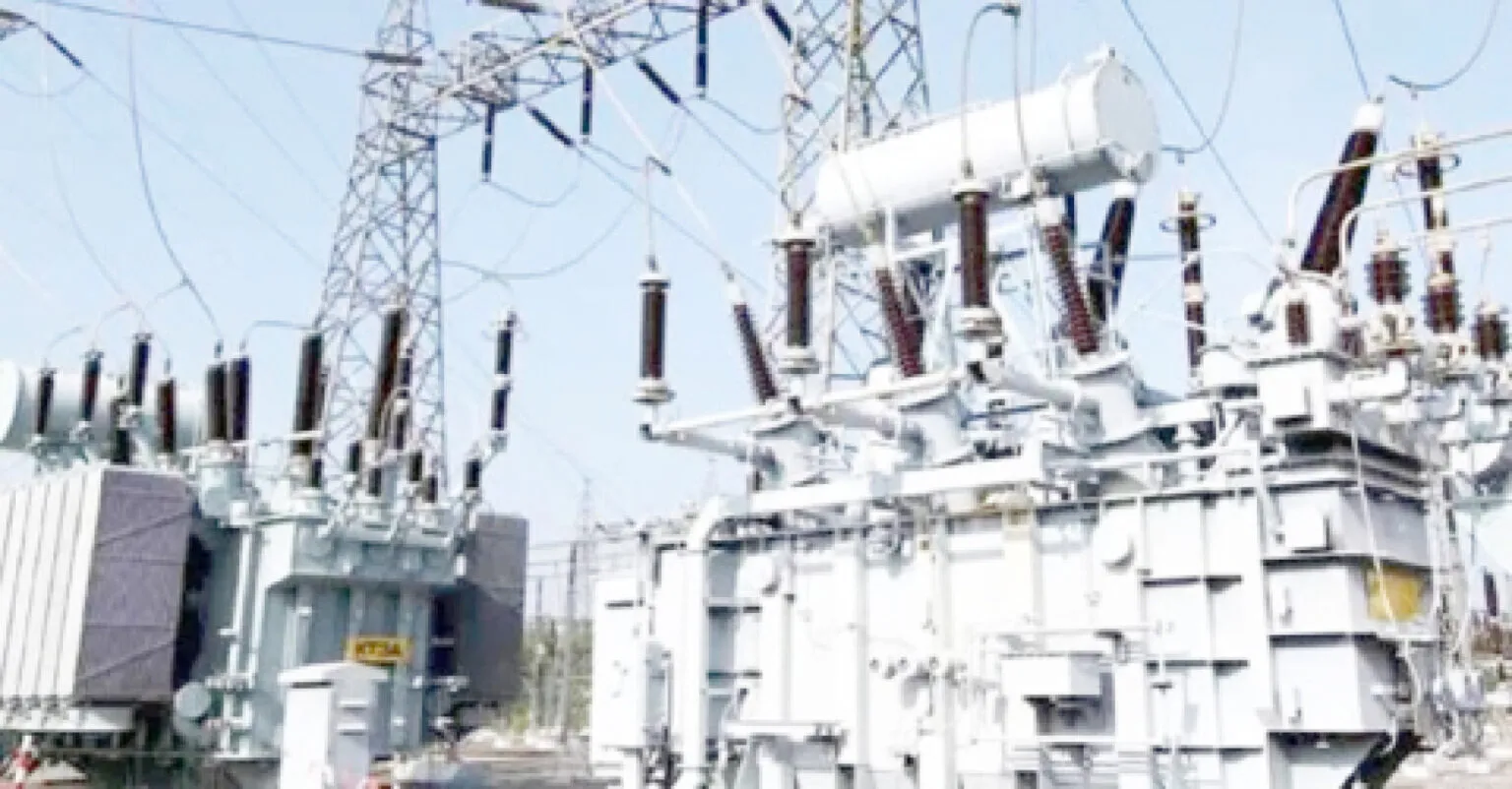
Nigeria's electricity sector has once again come under scrutiny after Electricity Generation Companies (GenCos) disclosed that they lost a staggering N110.56 billion in the first half of 2026 due to stranded power, highlighting the deep-rooted inefficiencies that continue to plague the country's power industry despite years of reforms and investments.
The revelation comes at a time when millions of Nigerians continue to grapple with inadequate and unstable electricity supply, raising fresh concerns about the gap between power generation and the country's ability to deliver electricity to consumers. According to industry data, an average of 3,124.50 megawatts of electricity generated between January and June could not be transmitted, distributed, or utilised, resulting in huge financial losses for power generation companies.
Stranded electricity refers to power that is produced but cannot reach consumers due to transmission bottlenecks, weak distribution infrastructure, remote locations, or low demand in certain areas. The figures released by the GenCos show that 2,985MW of electricity was stranded in January, leading to a revenue loss of N18.10 billion. In February, the stranded capacity increased to 3,274MW, costing the companies another N17.93 billion. The situation peaked in March when 3,650MW of generated electricity could not be evacuated from power plants, resulting in a loss of N22.13 billion.
The trend continued in the following months. In April, 3,193MW of electricity remained unused, translating to losses of N18.74 billion. The stranded capacity dropped slightly to 2,710MW in May, with a corresponding revenue loss of N16.43 billion, before rising again to 2,935MW in June and costing the generation companies N17.22 billion. Altogether, the figures paint a troubling picture of a sector where electricity is available but cannot effectively reach homes, businesses and industries that desperately need it.
However, the disclosure has sparked a fresh dispute within the power sector, with the Transmission Company of Nigeria (TCN) rejecting claims that the national grid is responsible for the huge volume of stranded electricity. The company dismissed allegations by the Association of Power Generation Companies (APGC) that more than 2,500MW of electricity is stranded daily because the grid can only transmit about 4,500MW despite the country's installed generation capacity exceeding 15,500MW.
TCN argued that available data from the Nigerian Electricity Regulatory Commission (NERC) does not support the claims made by the generation companies. According to the transmission firm, NERC's audited report for the first quarter of 2026 showed that the average available generation capacity declared by power plants during the period stood at 4,457.96MW, a figure that is almost identical to what the GenCos described as the grid's transmission limit.

The company further noted that NERC officially puts the installed capacity of the country's 28 grid-connected power plants at 13,625MW, significantly lower than the 15,500MW frequently cited by the APGC. TCN maintained that extensive investments in transmission infrastructure have increased its verified wheeling capacity to 8,700MW and insisted that the grid is capable of handling far more electricity than it is currently receiving from power plants.
To support its position, the transmission company pointed to its record performance on March 4, 2025, when it successfully transmitted a peak generation of 5,801.84MW and delivered a record daily energy volume of 128,370.75 megawatt-hours. It also cited NERC data showing that the Plant Availability Factor of power stations stood at only 32.72 per cent during the first quarter of 2026, indicating that more than two-thirds of installed generation capacity was unavailable due to gas supply shortages, equipment failures, maintenance shutdowns and other operational challenges.
Industry experts, however, believe the dispute between GenCos and TCN only highlights the wider structural problems affecting Nigeria's electricity market. Speaking on the issue, President of the Nigeria Consumer Protection Network, Kunle Olubiyo, said stranded generation has remained a recurring challenge since the privatisation of the power sector in 2013. He noted that there is still no clear consensus on who should bear the cost of stranded electricity, whether the generation companies or electricity consumers.
Olubiyo warned that the problem is unlikely to disappear unless the country strengthens its transmission network and compels electricity distribution companies to accept and distribute available power. According to him, the continued rejection of load by distribution companies, combined with limitations in transmission infrastructure, means that significant volumes of generated electricity will continue to go to waste.
The latest figures once again expose the contradiction at the heart of Nigeria's power sector: while consumers complain daily about poor electricity supply, billions of naira worth of generated power are being wasted due to weaknesses across the generation, transmission and distribution chain. Unless those challenges are addressed in a coordinated manner, experts warn that stranded electricity and the huge financial losses that come with it may remain a permanent feature of the country's power landscape.
.jpg)

Comments (0)
No comments yet. Be the first to share your thoughts!