


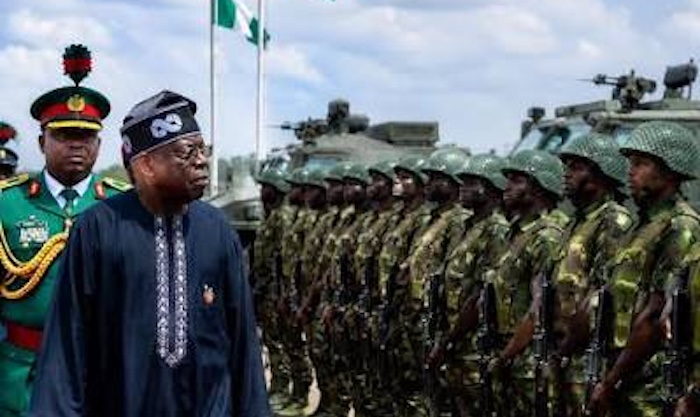
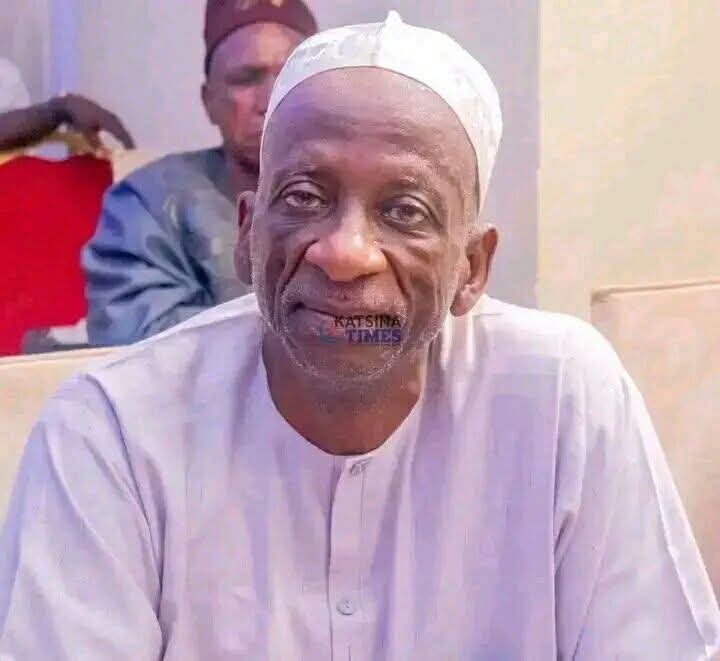
A former spokesman of the Nigerian Air Force, retired Group Captain Sadeeq Shehu, has urged the Federal Government to address critical shortcomings within the military before moving ahead with plans to create four new divisions of the Nigerian Army.
His remarks come days after President Bola Tinubu approved the establishment of four additional army divisions in Makurdi, Ilorin, Jalingo and Benin City, a move that will increase the number of divisions from eight to twelve. The new formations are expected to support the recruitment of 28,000 additional personnel, boost military presence in vulnerable regions and improve operational coordination in the fight against insecurity.
However, speaking on ARISE NEWS on Monday, Shehu argued that expanding the army’s command structure should not take precedence over fixing existing weaknesses affecting current formations.
According to the retired officer, the military must first conduct a thorough assessment of its present operational capacity, including manpower strength, equipment availability and deployment conditions, before embarking on further expansion.
“We should be fixing the existing gaps which have been discussed in the Senate and in various security discussions. Those issues should be addressed first. After that, we can determine whether the country needs four more divisions, six more divisions or even twenty,” he said.
Shehu acknowledged that Nigeria’s security challenges, large population, vast territory and regional responsibilities justify the need for a larger military force. Nonetheless, he stressed that understanding the readiness and effectiveness of the existing eight divisions remains the most important starting point.
“The real question is: what is the current status of the eight divisions we already have? That should be established before we begin thinking about creating additional ones,” he stated.
The retired Group Captain pointed to persistent concerns about overstretched troops, prolonged deployments and shortages of military equipment, issues he said have become widely known among both security stakeholders and ordinary citizens.

He noted that many personnel have spent extended periods in conflict zones without adequate rotation or replacement, a situation that could affect morale and operational efficiency.
“It is no secret that the military is overstretched. We have troops remaining in operational theatres for long periods without replacement. These are issues that require urgent attention,” he said.
Shehu further explained that military effectiveness depends on maintaining a proper balance between personnel strength and equipment availability. Without that balance, he warned, military formations may struggle to perform optimally regardless of their size.
Drawing from military doctrine, he said every battalion, brigade or division must possess the required manpower and resources to function effectively and deliver expected results on the battlefield.
He also cautioned against allowing political considerations to shape decisions on the creation or location of military formations, warning that such an approach could undermine national security objectives.
“Let’s not turn this into a political exercise where every region feels it must have its own division. That will not strengthen the military, and it certainly will not benefit the country,” he warned.
Shehu’s intervention adds a fresh dimension to the debate over the Federal Government’s military expansion plans, highlighting concerns that strengthening existing formations may be just as important as creating new ones in the ongoing battle against insecurity across the country.
.jpg)
.jfif)
Comments (0)
No comments yet. Be the first to share your thoughts!