


By A. I. Katsina Times
Katsina, April 30, 2026 —
The Katsina State Primary Health Care Development Agency (SPHCDA), in collaboration with UNICEF and other development partners, has strengthened engagement with journalists and media stakeholders to boost efforts against polio and promote accurate health reporting.
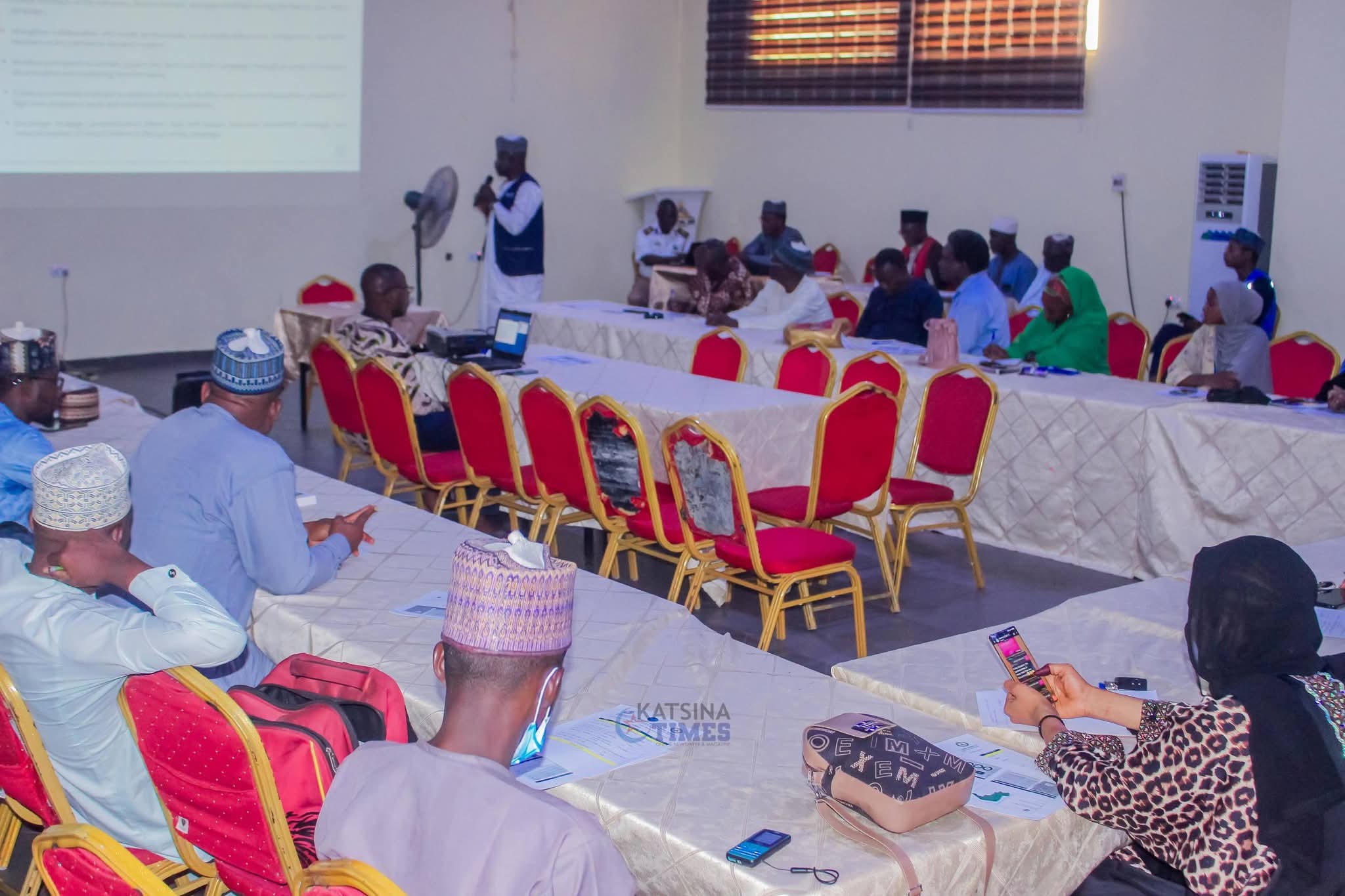
The media dialogue, held on Wednesday in Katsina, brought together journalists, social media influencers, U-Reporters and other key stakeholders in the health sector.
Speaking at the opening session, a health official, Hajiya Jamila Anda, underscored the critical role of the media in supporting public health campaigns, noting that the engagement came at a crucial time following a review of lessons learned from the March 2026 immunisation exercise.
She stressed the need for coordinated efforts to address vaccine hesitancy and counter misinformation, particularly on social media platforms, urging influencers to play a more active role in building public trust.
Also speaking, Dr Suleiman Haladu of the Polio Emergency Operations Centre (EOC) said Katsina State has recorded significant progress in the fight against polio, revealing that the state has gone nearly 10 months without a new case.
He disclosed that over 2.9 million children were vaccinated during the last campaign, representing more than 95 per cent of the targeted population.
Despite the gains, Haladu identified persistent challenges, including vaccine refusal in some communities, absence of children during immunisation visits, and the spread of misinformation.
He noted that the media remains a critical partner in reaching underserved populations where health workers may have limited access, and called for sustained collaboration ahead of the April immunisation round.
In his remarks, the Executive Secretary of SPHCDA, Dr Shamsuddeen Yahaya, attributed the progress recorded to strong collaboration among government, partners and the media.
He, however, emphasised the need for renewed commitment from all stakeholders to ensure that every child is vaccinated, urging parents not to deny their children access to life-saving vaccines.
“Vaccination is protection, not treatment. We must continue to safeguard our children from preventable diseases,” he said.
Participants at the meeting reviewed outcomes from previous immunisation campaigns, highlighting gaps such as weak communication in some areas and challenges in tracking eligible children.
The event was attended by representatives of SPHCDA, UNICEF and partner organisations including BDSF, Solina, Marquis, Affleck CDC and eHealth, alongside journalists, social media influencers, U-Reporters and members of the National Youth Service Corps (NYSC).
Stakeholders at the forum called for stronger collaboration between government, the media and communities to ensure that no child is left behind in accessing polio vaccination and other essential health services.