


The role of Nigeria’s National Assembly in holding the executive accountable has come under renewed scrutiny, with comparisons being drawn between today’s lawmakers and the more confrontational legislature of the early Fourth Republic.
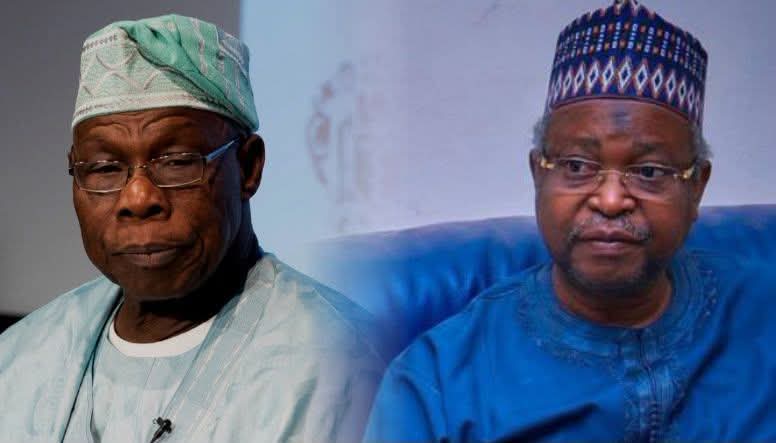
On August 13, 2002, the House of Representatives, then led by the late Ghali Umar Na’Abba, passed a resolution asking President Olusegun Obasanjo to resign within two weeks or face impeachment proceedings.
The lawmakers accused the administration of violating constitutional provisions, failing to implement the national budget properly and disregarding established rules and procedures of government.
The resolution reflected the extent to which the House was prepared at the time to confront the executive over issues it considered serious breaches of constitutional responsibility.
Obasanjo rejected the demand and remained in office. The impeachment threat was subsequently defused following political negotiations and interventions by influential stakeholders.
More than two decades later, the episode offers a useful reference point in assessing the changing relationship between Nigeria’s legislature and the executive.
The National Assembly remains constitutionally empowered to scrutinise government spending, investigate public institutions, summon officials and, where the constitutional threshold is met, initiate impeachment proceedings.

But critics have increasingly questioned whether lawmakers are exercising these powers with the same degree of independence demonstrated by the House in 2002.
The central issue is not whether today’s legislators should replicate the politics of the Na’Abba era. Rather, it is whether the legislature is sufficiently independent to challenge executive decisions when public interest, constitutional compliance or accountability demands it.
In a democracy, parliamentary oversight is not an act of hostility towards the government. It is one of the mechanisms through which power is restrained and public institutions are held accountable.
The events of August 2002 therefore raise a broader question for the present National Assembly: Have Nigerian lawmakers become less willing to challenge the executive, or has the nature of legislative politics simply changed?
The answer will ultimately be judged not by political rhetoric, but by how effectively the legislature performs its constitutional responsibility to represent the people and hold government to account.



Comments (0)
No comments yet. Be the first to share your thoughts!