


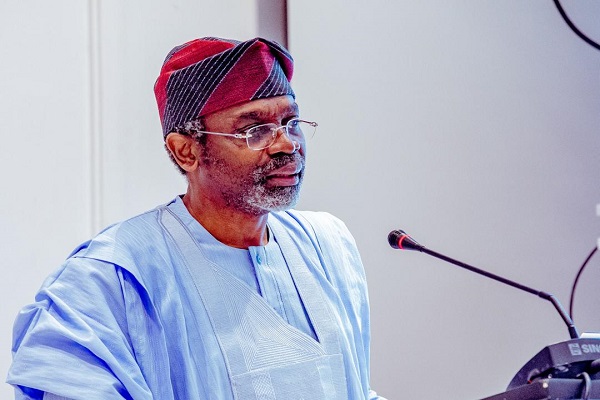
The Presidential Working Group on the proposed National Policing Bill has moved into the heart of its legislative assignment, with Chief of Staff to President Bola Tinubu and Chairman of the group, Femi Gbajabiamila, assuring Nigerians that the seven-week timetable remains firmly on course.
Gbajabiamila also reminded stakeholders that the extended deadline for submitting memoranda and position papers expires at 5:00 p.m. on Friday, August 21, 2026, urging organisations, professionals, experts and members of the public who are yet to make their contributions to take advantage of the final hours.
In a statement issued on Thursday, the Chief of Staff said the Working Group had successfully moved beyond its initial organisational stage and had commenced substantive policy and legislative work on the proposed National Policing Bill.
According to him, the first drafting sprint of the Bill is already underway, marking a significant step in the Federal Government's attempt to establish a new legal framework for policing in the country.
The process is being driven by a Policy Advisory Committee chaired by retired Justice Mohammed Abdullahi Liman, JCA, which has completed the first phase of its oversight responsibilities.
Gbajabiamila said the committee had provided the policy direction needed to guide the legal drafting process and ensure that the proposed legislation reflects the broader objectives of the policing reform initiative.
Legal drafters nominated by the Federal Ministry of Justice have also begun work, operating within the timetable and milestones approved by the Presidential Working Group.
But while the drafting process is moving ahead, the government says it is not shutting the door on public participation.
Gbajabiamila disclosed that the national consultation exercise being conducted alongside the drafting has attracted submissions from professional associations, government institutions, civil society organisations, security stakeholders, experts and members of the public.
He said the memoranda and position papers received so far are being systematically reviewed, with relevant recommendations and concerns being assessed for possible inclusion in the emerging legislation.
“The inputs received constitute an important part of the process of developing a robust legislative framework capable of responding to Nigeria’s contemporary policing and internal security requirements,” he said.
The consultation window, which was earlier extended to give more stakeholders an opportunity to contribute, closes at exactly 5:00 p.m. (WAT) on Friday.
The Working Group therefore issued what amounts to a final reminder to interested individuals and organisations that submissions must be made before the deadline.
With the consultation stage approaching its conclusion, the group is expected to shift even more attention towards refining the draft legislation and meeting the remaining milestones in its seven-week assignment.

The Big Reform: Federal and State Police
At the centre of the proposed legislation is one of Nigeria's most debated security reforms — the creation of a dual policing structure consisting of a Federal Police Service and State Police Services.
The proposed framework is expected to establish the constitutional and legislative foundation for both levels of policing while providing safeguards to prevent abuse and strengthen accountability.
The Working Group says the proposed system will include institutional checks, oversight mechanisms and accountability provisions designed to ensure that the new policing structure operates within clearly defined legal boundaries.
The move comes amid years of debate over whether Nigeria's existing policing arrangement is sufficiently equipped to respond to the country's increasingly complex security challenges.
Supporters of state police have argued that policing closer to local communities could improve intelligence gathering, response times and public confidence. Critics, however, have repeatedly raised concerns about possible political interference and the potential misuse of state-controlled security structures.
The proposed Bill is therefore expected to confront not only the question of establishing state police but also how such institutions would be funded, supervised and held accountable.
‘We Are Moving, Not Stalling’
Gbajabiamila stressed that the Working Group remains committed to delivering its assignment within the approved timeframe.
“As the consultation window closes, the Working Group will intensify its focus on the next phase of the drafting process, while sustaining the pace established during the opening weeks of its seven-week assignment,” he said.
He thanked the institutions, organisations, professionals, experts and members of the public that had already submitted their views, describing their contributions as an important part of the reform process.
The ultimate goal, he said, is to produce a comprehensive legislative proposal that can be presented to President Tinubu before being transmitted to the National Assembly for consideration.
For now, the clock is ticking.
With the public consultation deadline closing on Friday evening, attention will increasingly turn to the contents of the draft National Policing Bill — and whether the proposed framework can finally provide the legal architecture for a policing system capable of combining federal coordination with stronger state-level security operations.
If successfully completed, the reform could mark one of the most significant changes to Nigeria's policing structure in decades.

Comments (0)
No comments yet. Be the first to share your thoughts!