

Nigeria is among a list of countries hit with a new 12.5 per cent tariff by the United States following a sweeping trade review aimed at cracking down on goods linked to forced labour in global supply chains.
The new tariff, announced by the Office of the United States Trade Representative (USTR), is part of a wider trade action targeting 60 economies investigated under Section 301 of the US Trade Act. Washington said the move is designed to pressure trading partners into adopting and enforcing stronger laws against the importation of goods produced through forced labour.
Under the new policy, countries considered to have effective bans on forced labour imports or those that have formally committed to introducing and enforcing such measures will face a lower tariff rate of 10 per cent.
However, Nigeria falls into the category of countries that the US says do not currently maintain an effective prohibition on the importation of goods produced with forced labour, resulting in the higher 12.5 per cent tariff.
Countries granted the lower 10 per cent rate include India, Indonesia, Malaysia, Mexico, Pakistan, Bangladesh, Canada, Argentina, the United Kingdom, Cambodia, Sri Lanka, Jordan, Ecuador, El Salvador, Guatemala, Honduras and Trinidad and Tobago.
The decision follows investigations launched in May 2026 into some of America's largest trading partners. According to the USTR, the review process involved extensive consultations with governments, businesses and other stakeholders before the final tariffs were approved.
The agency disclosed that it received more than 1,600 written submissions and heard testimony from over 100 witnesses during public hearings. It also engaged in consultations with more than 45 governments.
Explaining the basis for the tariff structure, the USTR stated that economies that already enforce forced labour import bans, have committed to implementing them through reciprocal trade agreements, or operate partial regimes that effectively block certain forced labour goods, qualify for the lower 10 per cent rate.
For all other investigated economies, including Nigeria, a 12.5 per cent tariff was deemed appropriate.
A Federal Register notice issued by the USTR further confirmed that Nigerian exports to the United States would attract the new 12.5 per cent duty, except for products covered under specific exemptions listed in the agency's annexes.

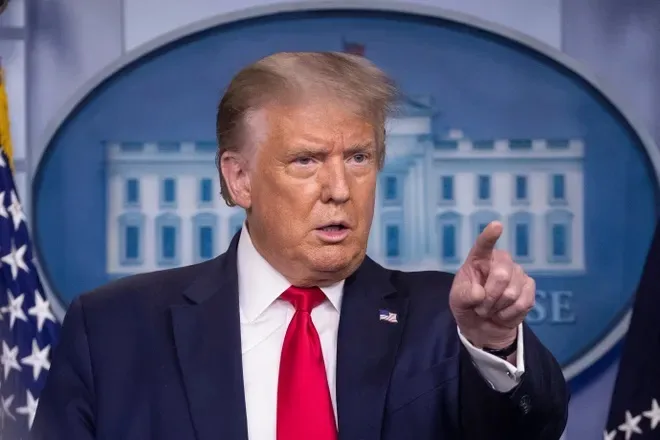
The notice stated that the decision was reached after considering findings from the investigation, public comments, witness testimonies and recommendations from the Section 301 Committee and other advisory bodies, as well as directives from President Donald Trump.
According to the USTR, the tariff rate and scope of exemptions were designed to encourage the elimination of trade practices identified as problematic during the investigation.
The latest trade measure comes after President Trump invoked Section 122 of the Trade Act of 1974 to impose temporary universal tariffs on imports following a US Supreme Court ruling that blocked a broader tariff programme introduced under emergency powers.
US Trade Representative Jamieson Greer defended the move, arguing that stronger action was needed to tackle forced labour worldwide.
“President Trump recognises that decades of moral suasion have not eradicated forced labour from global supply chains,” Greer said.
“The United States has had a forced labour import ban for nearly a century. It’s well past time for our trading partners to do the same.”
The USTR noted that several categories of products would be exempt from the new tariffs. These include raw materials whose restriction could trigger supply shortages in the US, goods that could significantly disrupt the American economy, products not readily available from domestic or alternative foreign suppliers, and certain imports from countries that have already adopted or pledged to enforce forced labour import bans.
Additional exemptions were also granted in cases where tariffs were deemed unlikely to address the trade practices under investigation.
The development is expected to draw attention from Nigerian exporters and trade officials, as businesses assess the potential impact of the new US tariff regime on access to one of Nigeria's key export markets.
.jpg)
.jpg)
Comments (0)
No comments yet. Be the first to share your thoughts!