


The Federal Government has taken a major step toward transforming Nigeria’s cashew industry with the validation of a comprehensive Nigeria Cashew Industry Roadmap aimed at boosting local processing, creating jobs, increasing exports and strengthening value addition across the sector.
Speaking at the Stakeholders’ Validation Workshop on the Nigeria Cashew Industry Roadmap in Abuja on Wednesday, the Minister of State for Industry, Sen. John Enoh, said the initiative was designed to reposition Nigeria from a major exporter of raw cashew nuts to a competitive producer of processed cashew products and derivatives.
Represented by the Permanent Secretary of the Ministry of Industry, Trade and Investment, Dr Chris Isokpunwu, Enoh said the roadmap would serve as a strategic framework for unlocking the enormous economic potential of the cashew industry while supporting industrialisation and economic diversification.
According to him, the roadmap also provides for the establishment of a Nigerian Cashew Project Office that will coordinate implementation efforts with industry operators, government agencies and development partners.
He noted that successful implementation would improve farmers’ incomes, strengthen domestic markets and generate employment opportunities, particularly for women and young people.
“Cashew remains one of Nigeria’s most important non-oil commodities with immense potential to support inclusive economic growth and economic diversification,” Enoh said.
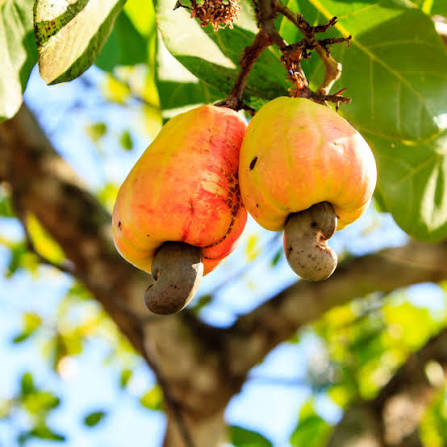
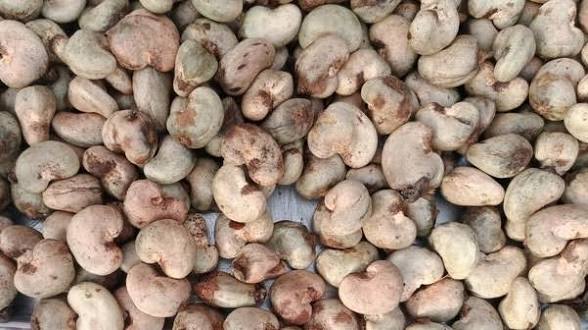
The minister disclosed that Nigeria currently produces between 300,000 and 350,000 metric tonnes of raw cashew nuts annually. However, he lamented that more than 85 per cent of the produce is exported without processing, depriving the country of significant economic benefits.
He explained that the continued export of raw cashew nuts limits domestic value retention, weakens industrial development and reduces opportunities for product innovation and job creation.
Enoh stressed the need for stronger partnerships among government institutions, industry players and development organisations to accelerate processing activities, expand exports and create sustainable employment.
Reaffirming the Federal Government’s commitment to industrialisation under President Bola Tinubu’s Renewed Hope Agenda, he said the forthcoming 2026 Nigeria Industrial Policy would focus on deepening local value chains, attracting investments, enhancing production capacity and improving the nation’s competitiveness in international trade.
He added that the Cashew Industry Roadmap complements other strategic initiatives, including the Shea Nut Value Addition Strategy and the Cocoa Reform Initiative recently launched by the Federal Government.
According to him, the success of the roadmap should not be measured by policy documents alone but by tangible outcomes such as the establishment of processing factories, increased local processing capacity, higher export earnings, job creation and improved livelihoods for farmers.
In a separate address delivered on his behalf by the Director of Industrial Development, Mr Mohammed Bala, Isokpunwu described the cashew industry as a critical pillar of Nigeria’s non-oil economy.

He called for greater emphasis on processing, branding and value addition to improve the competitiveness of Nigerian cashew products in the global market.
The permanent secretary noted that the roadmap aligns with the Renewed Hope Agenda and supports the Federal Government’s ambition of building a one-trillion-dollar economy by 2030 through industrial growth, expanded non-oil exports and increased domestic production.
He explained that the roadmap was developed through extensive consultations with stakeholders across the value chain and was designed as an implementation-focused framework to drive coordinated sectoral growth.
Isokpunwu reaffirmed the ministry’s commitment to ensuring effective implementation of the roadmap and urged stakeholders to support the development of an inclusive and practical framework capable of attracting investments, creating jobs and delivering long-term transformation.
Also speaking at the event, the Minister of Agriculture and Food Security, Sen. Abubakar Kyari, praised industry operators, associations and development partners for their contributions to the growth of the cashew sector.
Represented by Mr Bukar Musa of the ministry’s Department of Agriculture, Kyari described cashew as a priority export crop cultivated in 27 states and the Federal Capital Territory.
He expressed confidence that government interventions in the sector would increase production levels, improve farmers’ earnings, generate employment and boost foreign exchange revenues.
The minister identified the absence of a comprehensive policy framework as one of the major challenges hindering the industry’s growth and urged stakeholders to support the validation process to strengthen production, processing, marketing and value addition.
President of the National Cashew Association of Nigeria (NCAN), Mr Ademola Adesokan, pledged the association’s commitment to working closely with government and other stakeholders to ensure successful implementation of the roadmap and sustainable development of the industry.
Similarly, the Director-General of the Presidential Enabling Business Environment Council (PEBEC), Princess Zahrah Audu, reaffirmed the administration’s dedication to advancing President Tinubu’s vision of productivity-driven growth, value addition and sustainable national development.
Stakeholders at the workshop expressed optimism that the roadmap would mark a turning point for Nigeria’s cashew industry by reducing dependence on raw exports and positioning the country as a major player in the global processed cashew market.



Comments (0)
No comments yet. Be the first to share your thoughts!