


TAIBAT UMMI YAKUBU
Election officials who fail to report to their polling units on time during the 2027 general elections could face immediate scrutiny from the leadership of the Independent National Electoral Commission (INEC), as the commission prepares a system to monitor personnel and voting activities in real time.
The planned monitoring platform will give INEC's senior officials access to information from polling units across the country, including the identities and telephone numbers of the officers assigned to each location. It is expected to help the commission detect delays, establish their causes and take action before they affect the voting process.
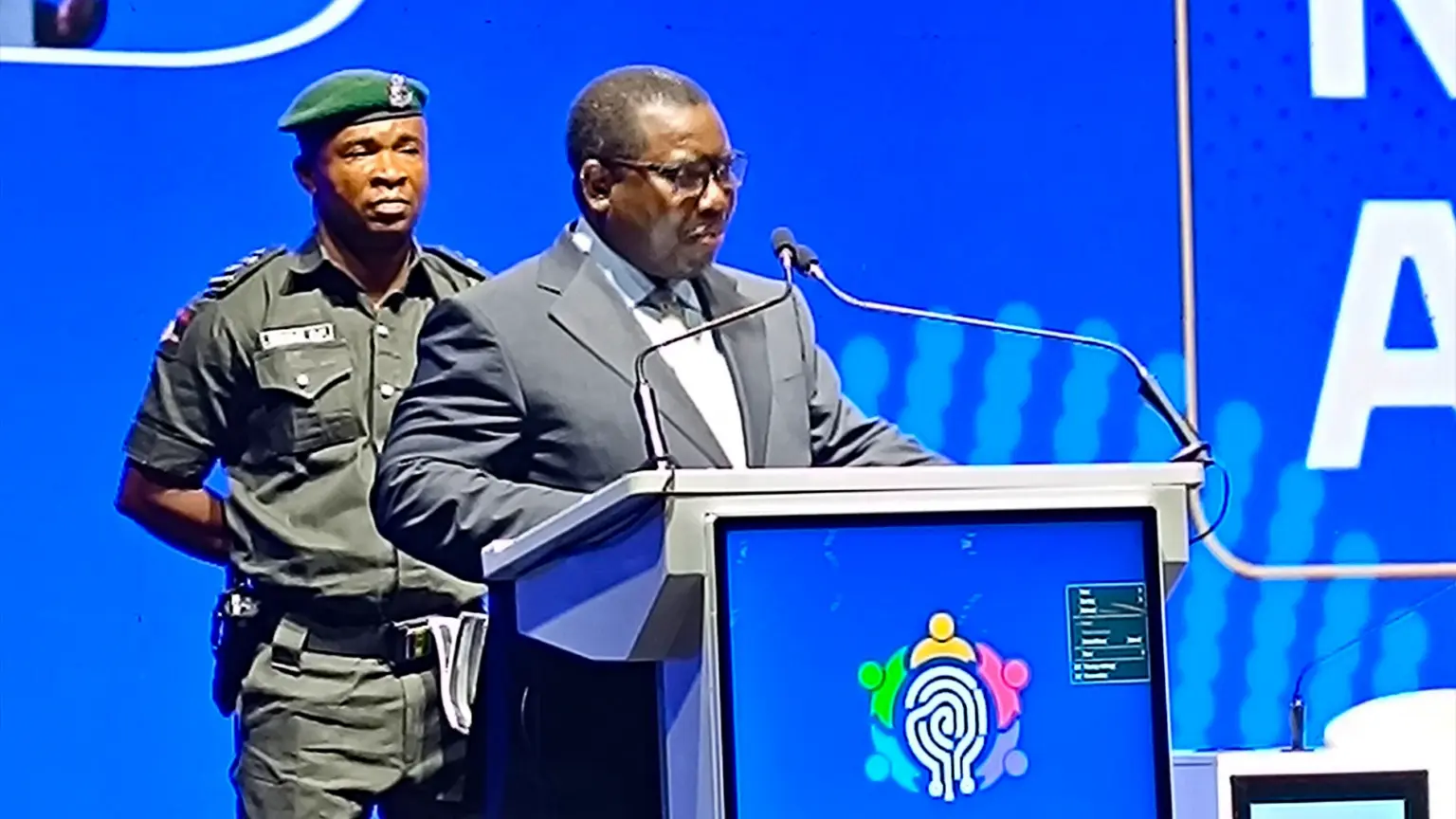
INEC Chairman, Prof. Joash Amupitan, disclosed the plan on Friday during an appearance on the Brekete Family Reality Radio and Television Programme, where he explained how the commission intends to use technology to improve election-day supervision.
He illustrated the need for the system with an incident during a recent election. According to him, he noticed through the dashboard that a particular polling unit had not opened by 9 a.m. He was able to obtain the presiding officer's contact details and call him directly.
The officer reportedly told him that he had not reached the polling unit because the vehicle and election materials required for the exercise had not arrived.
The experience exposed the kind of logistical failure the proposed arrangement is designed to catch. Rather than relying solely on field reports, INEC's leadership will be able to identify locations where operations have stalled and contact the officials responsible.
The commission is also changing its arrangements for the movement of election materials. Amupitan said all personnel and materials required for voting must be delivered to designated Registration Area Centres (RACs) nationwide a day before the election, instead of waiting until election morning.
“Everything that you need to conduct that election must have arrived at the registration areas all over Nigeria the day before the election. A day before. No longer on the day of election,” he said.
However, getting officials and materials to polling units on time is only part of the challenge facing the commission. Insecurity in several parts of the country has also raised concerns about whether voters can safely participate in the elections.
Amupitan said INEC had compiled security information on polling units nationwide, identifying locations exposed to threats including banditry, kidnapping and violence. The assessments are being shared with security agencies to guide decisions on where protection is most urgently needed.

He said the commission was working with the Inter-Agency Consultative Committee on Election Security, chaired by him and co-chaired by the National Security Adviser, to coordinate the security arrangements.
A security conference scheduled for November 26 is also expected to form part of the preparations. Amupitan cited the easing of tension in Osun State following engagements with security agencies as evidence of the value of early coordination.
Another challenge INEC is preparing to confront is the potential misuse of artificial intelligence during the election period. The chairman said the commission planned to establish a dedicated AI division to address fabricated images and videos, impersonation and the spread of misleading information capable of influencing voters.
He also warned that foreign actors could use digital platforms to manipulate public perception and interfere with Nigeria's electoral process. The proposed division would help build the commission's capacity to identify suspicious content, investigate digital threats and examine the technology used in its electoral operations.
The commission is simultaneously strengthening its cybersecurity infrastructure following attempts by individuals to gain unauthorised access to its systems.
Amupitan also addressed concerns surrounding the electronic transmission of results, saying INEC was introducing another layer of verification before polling-unit results could be uploaded to its Result Viewing Portal (IReV).
He explained that figures recorded on the EC8A result sheet would be entered into the Bimodal Voter Accreditation System (BVAS) device in the presence of party agents. The device would check the entries for consistency before allowing the result to be transmitted.
The physical result sheet would still be displayed at the polling unit, as required, he added.
With these preparations, INEC is seeking to address weaknesses that have previously disrupted election operations, from late arrival of personnel and insecurity to digital interference and disputes over results. Whether the new arrangements will deliver a smoother process will ultimately be tested when Nigerians head to the polls in 2027.



Comments (0)
No comments yet. Be the first to share your thoughts!