


By Taibat Ummi Yakubu
As the global race for minerals used in electric vehicles, renewable energy technologies and modern industries intensifies, Nigeria is seeking to attract more investment into its largely untapped solid minerals sector. But a resource expert has warned that the country could end up repeating one of its biggest economic mistakes: exporting valuable natural resources without building lasting prosperity at home.
Tengi George-Ikoli, Nigeria Country Manager of the Natural Resource Governance Institute (NRGI), says the growing interest in Nigeria's mineral deposits presents an important economic opportunity, but the country must first address weaknesses in its mining regulations, institutional capacity and management of natural resources.
Her concern is that Nigeria may become another supplier of raw materials to international industries while communities sitting on those resources continue to struggle with poverty, unemployment and environmental destruction.
The warning comes as countries increasingly compete for minerals needed to power the global energy transition, including resources used in batteries, electricity infrastructure and other emerging technologies.
Speaking during an interview on the sidelines of the COP31 climate conference in Antalya, Türkiye, George-Ikoli questioned Nigeria's record of managing its natural resources, pointing to nearly seven decades of commercial petroleum production without the broad economic transformation many Nigerians expected.
Asked whether the country had truly benefited from its oil wealth, she responded: "We have not."
Although petroleum remains a major contributor to government revenue and foreign exchange earnings, she argued that successive governments had failed to use the proceeds to build a sufficiently diversified economy, generate employment and improve living conditions in communities where oil is extracted.
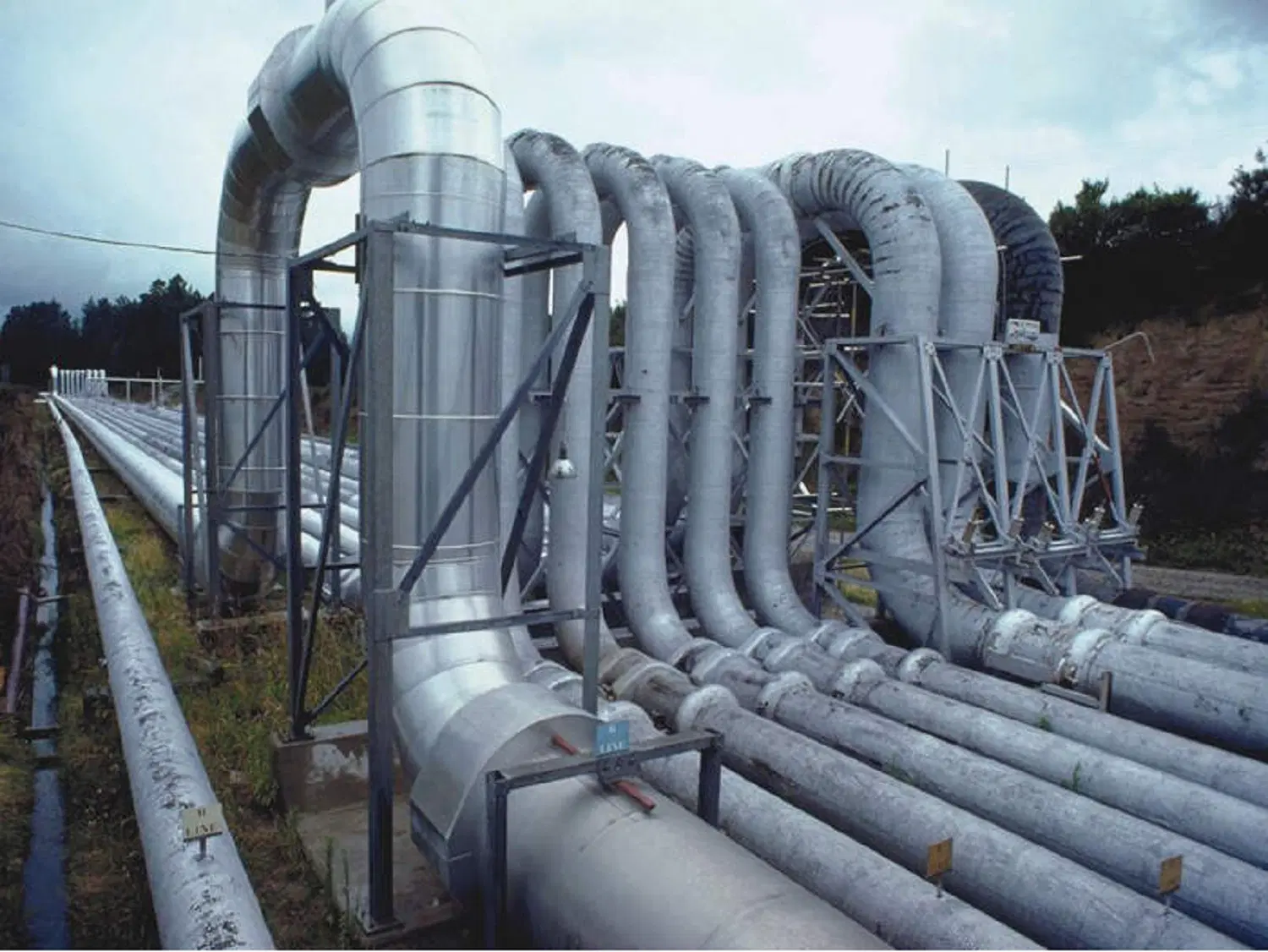
The consequences are reflected in Nigeria's extractive industry statistics. According to the 2023 Extractive Industries Transparency Initiative report, the sector accounted for 54.4 per cent of government revenue and 82.52 per cent of the country's exports.
Yet, the economic importance of the industry has not translated into comparable improvements for many communities affected by extraction.
George-Ikoli believes Nigeria must learn from that experience before allowing the solid minerals industry to expand without adequate safeguards.
Despite the attention surrounding Nigeria's mineral deposits, the sector still contributes relatively little to the country's overall economic output.
The 2023 Nigeria Extractive Industries Transparency Initiative Solid Minerals Industry Audit Report valued the sector's contribution to Gross Domestic Product at N1.76 trillion, representing 0.75 per cent.
Mineral exports stood at 4.32 million metric tonnes, valued at N117.29 billion, while government royalties amounted to approximately N9.01 billion.
For George-Ikoli, these figures demonstrate why the government should avoid presenting mining as an immediate replacement for oil and gas revenues.
In an August 2026 NRGI report she co-authored, the organisation explained that mining projects are often expensive, take considerable time to develop and may generate fewer direct jobs and less government revenue than policymakers anticipate.
She argued that Nigeria should concentrate on creating the right conditions for responsible investment rather than rushing to expand extraction in anticipation of quick economic gains.
One of the major issues she identified is the country's mining regulatory framework, particularly the Nigerian Minerals and Mining Act of 2007, which she believes needs reform.
She said Nigeria must strengthen its institutions, improve transparency in the allocation of mining licences and establish a predictable fiscal system capable of protecting national interests while giving genuine investors confidence.
She also emphasised the need for accurate geological information, explaining that the government must establish the quantity, location and commercial value of available mineral deposits before entering negotiations with investors.
Without reliable information, she warned, Nigeria could struggle to determine the true worth of its resources and negotiate agreements that adequately protect its economic interests.
"We need to provide data. We need to really map out where our resources are, what it is that we have, in what level of commercial quantities as well, what sort of value, so that as we continue to have increasing investments or interest in us, we will be able to negotiate better for Nigeria," she said.
Beyond government revenue, George-Ikoli raised concerns about the people living in areas where mining activities take place.
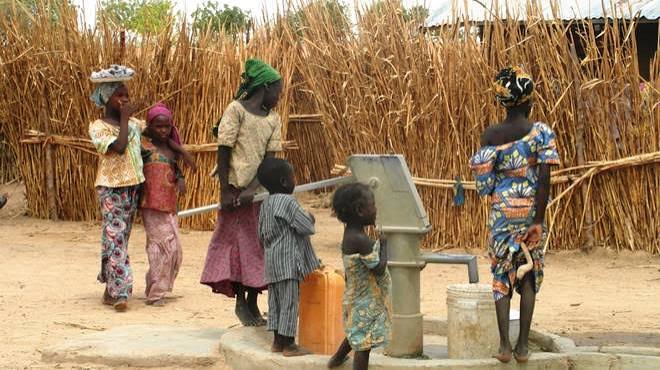
She argued that local communities must have a voice in decisions concerning the exploitation of their natural resources and should receive meaningful economic and social benefits from mining operations.
Her concern is that Nigeria could reproduce the problems associated with oil-producing communities, where decades of extraction have been accompanied by environmental damage and persistent complaints about inadequate development.
She specifically cautioned against repeating weaknesses in the host community development trust arrangements established under the Petroleum Industry Act.
According to her, stronger community participation, transparent benefit-sharing arrangements and effective environmental protection must be built into the mining sector from the beginning.
George-Ikoli also said Nigeria must look beyond exporting raw minerals and explore opportunities to develop local processing and manufacturing industries capable of retaining more economic value within the country.
However, she cautioned against forcing every mineral to undergo local processing, regardless of whether the country has the necessary infrastructure, technology, expertise or commercially viable opportunities.
Instead, she advocated a practical approach that identifies minerals with genuine processing potential and develops industries around them.
She also called for stronger cooperation among African countries, including the Democratic Republic of the Congo, Zambia, Ghana and Uganda, to establish regional processing and manufacturing industries.
She said Nigeria's large domestic market and industrial potential could make it an important centre for mineral processing, while cooperation with other African producers would strengthen the continent's negotiating position in international markets.
"We are feeding global supply chains, but we're not really benefiting as much as we could individually," she said.
The NRGI official also questioned whether Nigeria's ambitious plans to expand natural gas production adequately reflect the country's actual production capacity and changing international energy markets.
Through its Decade of Gas initiative, the Federal Government hopes to expand production and develop a gas-powered economy by 2030.
However, an NRGI report published in September 2026, which George-Ikoli co-authored, warned that Nigeria was unlikely to achieve its target of increasing gas production by 4.6 billion cubic feet per day by the end of the decade.
Even under the report's most ambitious scenario, additional production was projected to reach approximately 1.3 billion cubic feet daily.
George-Ikoli said Nigeria must also decide how much of its future gas supply should serve domestic needs, particularly electricity generation and industrial development, rather than focusing heavily on export opportunities.
She warned that investments in long-term petroleum projects could become increasingly risky as global energy markets evolve and countries introduce new environmental and energy policies.
She further urged the government to invest more in renewable energy and other productive sectors while preparing workers and communities that depend on the oil and gas industry for the changes expected from the global transition to cleaner energy.
She said Nigeria must ensure that the transition does not leave affected workers without alternative livelihoods or communities without economic opportunities.
She called for these issues to become part of the country's national development plans, future climate commitments and negotiations on the Just Transition Work Programme under the United Nations climate process.
With international demand for critical minerals growing, Nigeria has an opportunity to develop new industries, attract investment and create employment. But George-Ikoli's warning is that without stronger institutions, transparent resource management and meaningful benefits for host communities, the country could once again find itself rich in natural resources but struggling to translate that wealth into prosperity for its people.


Comments (0)
No comments yet. Be the first to share your thoughts!