

Nigeria is set to embark on a fresh nationwide survey to determine the true extent of illegal firearms circulating across the country, as authorities admit that existing data can no longer accurately reflect the rapidly changing security realities facing the nation.
The move comes amid growing concerns over the proliferation of illicit weapons, which security experts say continue to fuel banditry, terrorism, kidnapping, communal violence and other forms of criminal activity across several parts of the country.
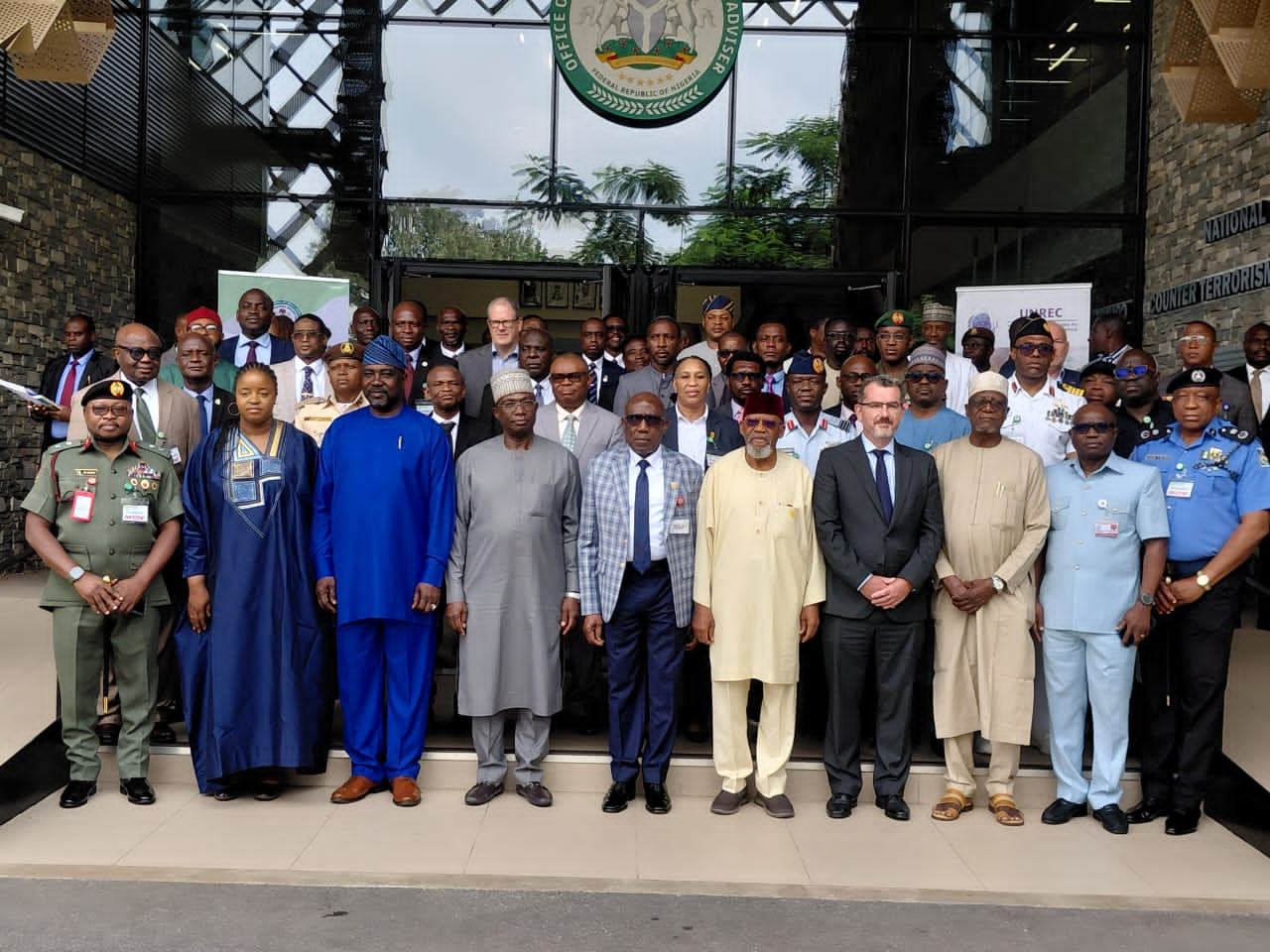
Announcing the initiative in Abuja on Thursday, the Director-General of the National Centre for the Control of Small Arms and Light Weapons (NCCSALW), retired Deputy Inspector-General of Police Johnson Kokumo, said Nigeria urgently requires updated and credible data to effectively tackle the growing threat posed by illegal arms.
According to him, the country's most recent baseline survey on illicit small arms and light weapons was conducted in 2016 and released five years later in 2021. However, nearly a decade after the exercise was carried out, security dynamics have changed dramatically, rendering many of the findings inadequate for present-day policymaking and security planning.
Kokumo spoke during a stakeholders’ workshop convened to review lessons from the 2016 survey and chart a new path for a more comprehensive assessment of the country’s arms proliferation challenge.
He explained that the proposed survey would be designed, driven and owned by Nigerians, with local experts taking the lead while international partners provide technical support and guidance.
The NCCSALW chief stressed that understanding the actual scale, movement and sources of illegal weapons has become increasingly important as security agencies intensify efforts to curb violent crimes across the country.
Without reliable statistics, he noted, it becomes difficult for policymakers and security institutions to formulate effective strategies capable of addressing the root causes and patterns of arms proliferation.
The planned exercise is expected to generate fresh insights into how illicit weapons enter the country, where they are concentrated, how they are distributed and the groups most involved in their circulation.
Experts believe such information could prove critical in strengthening national security operations and preventing future conflicts.
Also speaking at the event, Director and Deputy High Representative of the United Nations Office for Disarmament Affairs (UNODA), Dr. Adedeji Ebo, underscored the importance of updating Nigeria’s arms data, describing the existing figures as outdated and increasingly disconnected from current realities.
Ebo observed that Nigeria's security environment today is vastly different from what it was when the last survey was conducted almost ten years ago.
According to him, significant changes have occurred in the sources of illegal arms, trafficking routes, methods of concealment, storage practices, tracing mechanisms and the activities of armed non-state actors operating within and beyond Nigeria’s borders.

He argued that governments can only develop effective security policies when decisions are backed by accurate and up-to-date information.
For Ebo, the challenge is not the absence of data but the fact that available figures no longer capture the complexity of today's security threats.
He explained that the forthcoming survey would build on the strengths of the 2016 exercise while addressing its limitations through improved methodology, broader stakeholder engagement and enhanced data collection techniques.
A key objective of the project, he added, is to ensure Nigerian ownership of both the process and the findings.
To achieve this, international experts from the Geneva-based Small Arms Survey will train Nigerian professionals through a specialised capacity-building programme. The goal is to equip local researchers and security experts with the skills needed to independently conduct similar surveys in the future.
Officials believe this approach will not only strengthen Nigeria’s institutional capacity but could also position the country as a regional leader in arms-control research and data collection.
Beyond producing statistics, the survey is expected to serve as a foundation for future policies aimed at reducing the availability of illegal weapons and improving public safety.
UNODA officials emphasised that collecting data alone will not solve the problem. Rather, the findings must be translated into concrete actions, including stronger arms-control measures, improved border management, enhanced weapons tracing systems and more effective law enforcement strategies.
The United Nations also pledged continued support for Nigeria’s efforts to implement international arms-control agreements, strengthen technical expertise and deepen collaboration with civil society organisations working in the peace and security sector.
The renewed push for a national arms survey comes at a time when security concerns remain high across many parts of the country, with authorities seeking more effective ways to combat violent crime and disrupt networks involved in the trafficking of illicit weapons.
For policymakers and security agencies, the exercise represents more than a routine data-gathering project. It is an attempt to answer a critical question that has lingered for years: how many illegal weapons are truly in circulation across Nigeria, and what must be done to stop them from falling into the wrong hands?
The answers, officials believe, could shape the country's security policies for years to come.

Comments (0)
No comments yet. Be the first to share your thoughts!