


Nigeria and China are exploring a new dimension of their growing relationship, shifting part of the focus from government-to-government agreements and trade to culture, tourism and the creative industries as tools for bringing their people closer and creating fresh opportunities for young Nigerians.
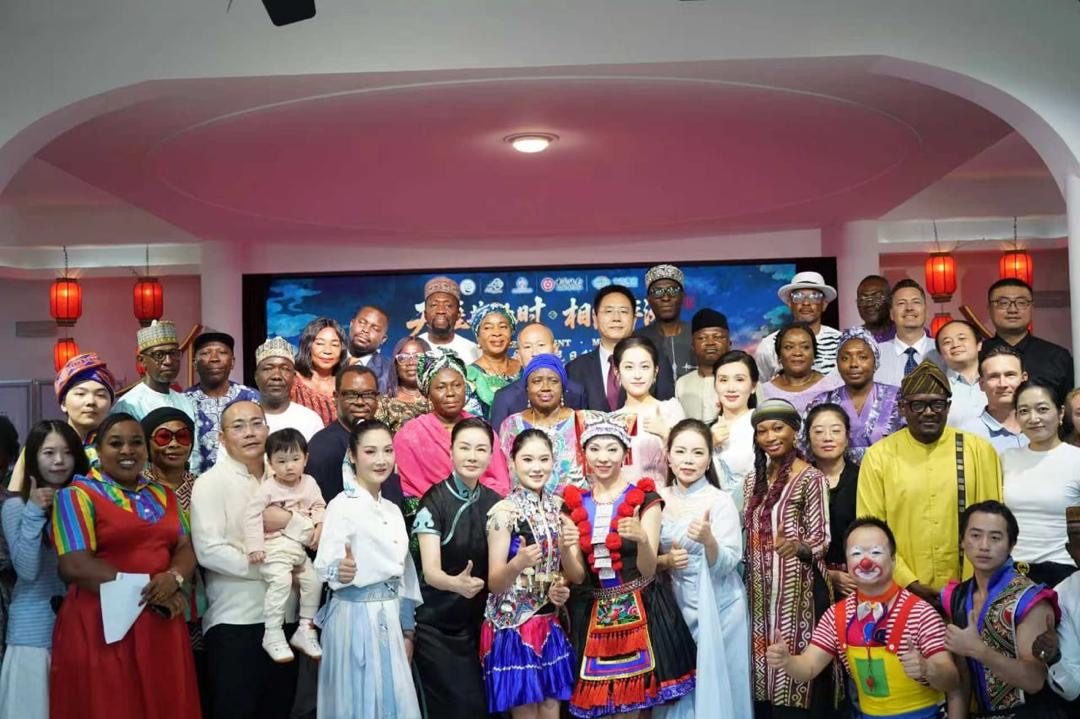
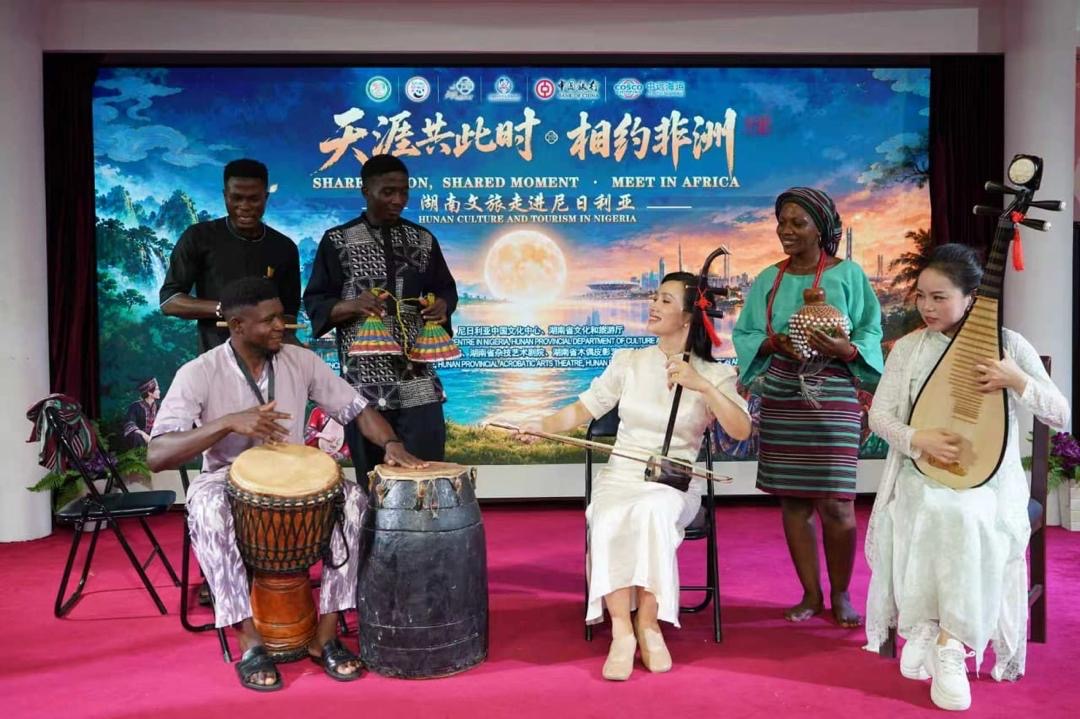
The new approach was on display in Abuja on Thursday when Hunan Province brought a colourful showcase of Chinese culture and heritage to Nigeria, featuring music, dance, acrobatics and other traditional performances.
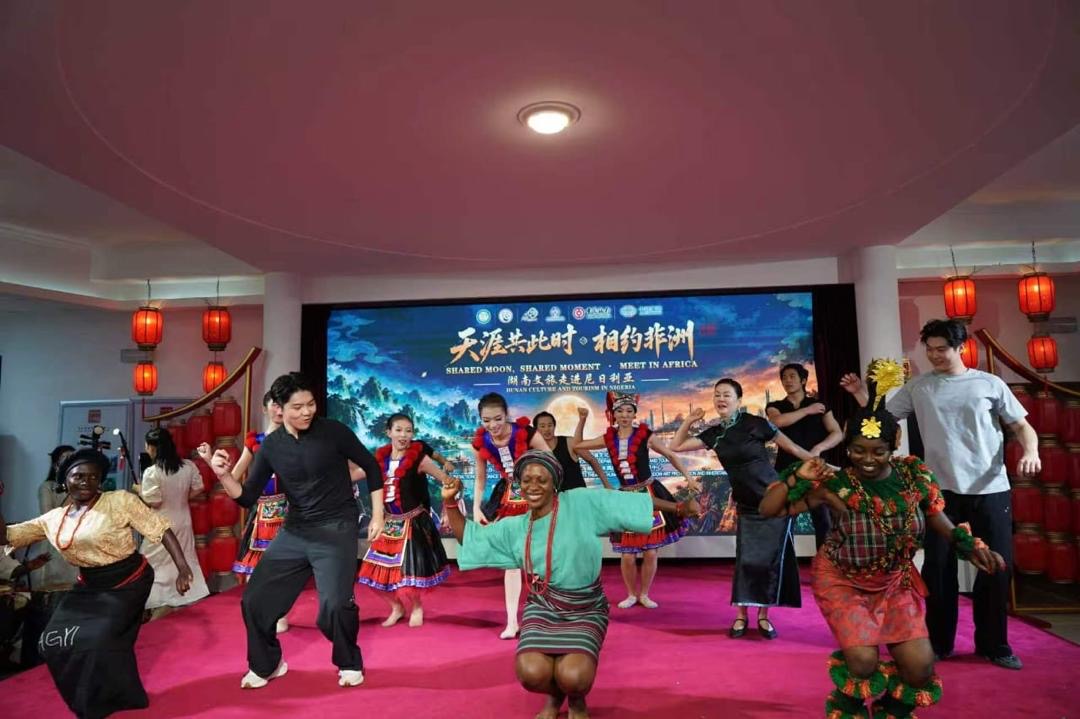 Held at the China Cultural Centre in Abuja, the event, tagged “Shared Moon, Shared Moment, Meet in Africa – Hunan Culture and Tourism in Nigeria,” brought together cultural officials, artists and other stakeholders to highlight the potential of cultural exchanges between the two countries.
While the performances provided the entertainment, the message behind the event went much further. Organisers presented culture as a possible bridge between Nigerians and Chinese citizens, creating opportunities for people-to-people relationships that go beyond the diplomatic and economic dealings that have traditionally dominated bilateral ties.
Cultural Counsellor of the Chinese Embassy and Director of the China Cultural Centre in Nigeria, Yang Jianxin, said such exchanges could help citizens of both countries understand each other's traditions and values more closely.
Yang said the Hunan delegation came to Nigeria not merely to put Chinese culture on display but also to promote mutual learning and strengthen friendship between the two peoples.
He pointed to similarities between China’s Mid-Autumn Festival and Nigerian cultural traditions, particularly the importance attached to family, reunion, harmony and peaceful coexistence.
Despite the geographical distance separating Nigeria and China, Yang said, shared human values provide a common ground capable of bringing the two societies closer.
He also referenced Chinese President Xi Jinping’s Global Civilization Initiative, which promotes respect for different civilisations and encourages dialogue and mutual learning among cultures.
Beyond cultural diplomacy, the Chinese official used the occasion to draw attention to Hunan’s tourism potential, presenting the province as a destination that could attract more Nigerian visitors interested in history, heritage and culture.
According to him, Hunan is home to three World Heritage sites and nine elements recognised on UNESCO’s Representative List of the Intangible Cultural Heritage of Humanity.
He expressed hope that the cultural exchange would encourage Nigerians to explore Hunan firsthand and experience its heritage, traditions and hospitality.

For Nigeria, the growing cultural relationship also comes with an economic dimension.
The Permanent Secretary of the Federal Ministry of Arts, Culture and the Creative Economy, Abdulkarim Ozi Ibrahim, who was represented at the event by Musa Alhamdu, said stronger cultural engagement with China could create opportunities for Nigerian artists and other players in the creative sector while simultaneously strengthening diplomatic relations.
He described culture as a powerful tool capable of breaking through language and geographical barriers and allowing people from different backgrounds to discover their shared humanity.
According to him, deeper cultural diplomacy between Nigeria and China could stimulate tourism, encourage creative partnerships, improve skills and expose more young Nigerians to opportunities in the international creative economy.
Nigeria and China, he noted, both possess rich cultural traditions expressed through music, dance, theatre, visual arts, festivals, crafts, fashion, film and literature.
That shared diversity, he suggested, provides enough room for artists and creative entrepreneurs from both countries to work together rather than simply observe each other from a distance.
The focus on young Nigerians is particularly significant as the country continues to look toward its creative industries as a source of employment, entrepreneurship and skills development.
Chairman of the Society of Nigerian Artists, Muhammad Sulaiman, called for cultural diplomacy to move beyond official agreements and become a genuine connection between ordinary citizens.
He advocated more cultural festivals, youth exchange programmes and joint projects involving Nigerian and Chinese artists in film, music and other creative fields.
Such sustained interaction, he argued, could create jobs for young people, encourage artistic collaboration and foster greater understanding between the two societies.
The Abuja showcase also demonstrated that cultural diplomacy can work in both directions. While the Hunan Song and Dance Theater Troupe brought Chinese music and performances to the Nigerian capital, Nigerian cultural presentations were also incorporated into the programme.
That element turned the event from a simple display of Chinese heritage into an exchange in which both countries had an opportunity to present their cultural identities.
For those behind the initiative, therefore, the evening was about more than music, costumes and entertainment.
It was about building a wider network involving artists, tourists, young people, creative entrepreneurs and cultural institutions, with the potential to transform cultural contact into long-term cooperation.
As Nigeria and China continue to expand their strategic partnership, culture and the creative economy are emerging as another possible pillar of the relationship—one where artists, young entrepreneurs and tourists can become participants in diplomacy, while music, film, fashion and heritage create new pathways for cooperation and economic opportunity.
Comments (0)
No comments yet. Be the first to share your thoughts!