


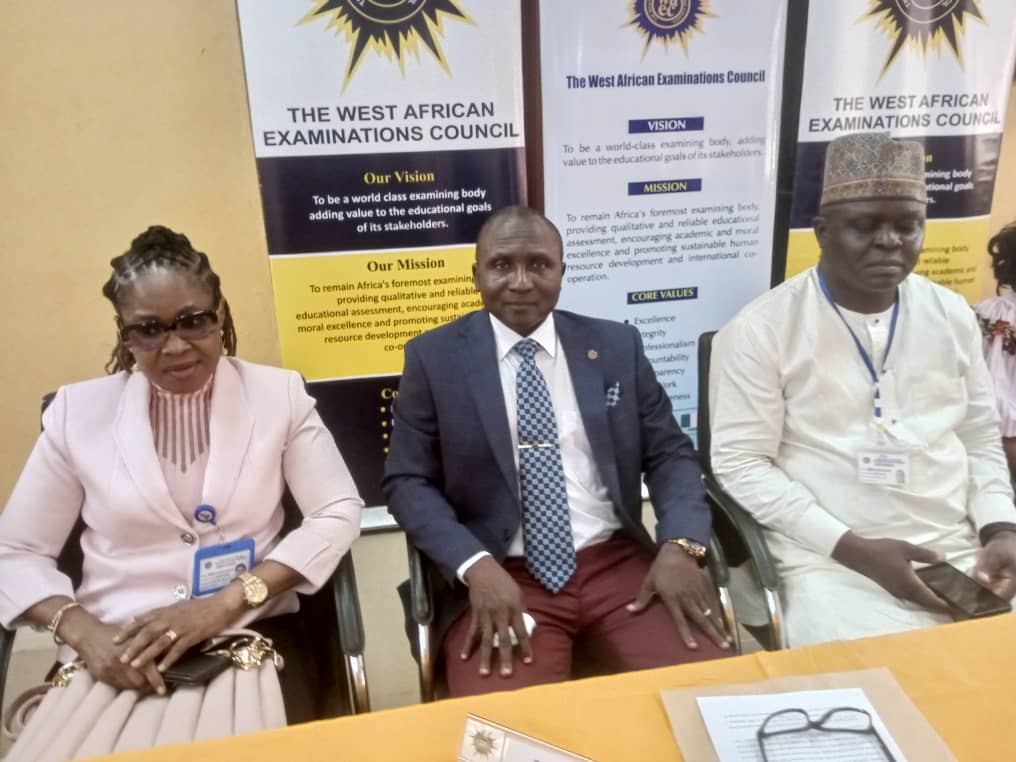
Concerns have continued to trail the release of the 2026 West African Senior School Certificate Examination (WASSCE) results, with several schools, parents and education stakeholders questioning the performance of some candidates and calling for a review of results they believe do not reflect students’ academic abilities.
The controversy follows reports from schools across the country alleging that a number of high-performing students recorded unexpectedly low grades, particularly in core subjects such as English Language and Mathematics, despite strong academic records and impressive performances in mock examinations and internal assessments.
The concerns have fueled widespread debate within the education sector, with some stakeholders attributing the outcome to possible technical glitches or irregularities associated with the newly introduced computer-based examination system.
According to reports from affected schools, some students who consistently excelled in classroom assessments and preparatory examinations received results that appeared inconsistent with their academic history, prompting calls for the West African Examinations Council (WAEC) to review and verify the affected results.
The development has also generated intense discussions on social media, where parents and candidates have questioned the credibility of some of the outcomes and demanded explanations from the examination body.
However, the Head of the Nigeria National Office (HNO) of WAEC, Dr. Amos Dangut, has firmly rejected claims that technical failures or system glitches compromised the integrity of the 2026 examination results.
Speaking during a virtual dialogue organised by the Education Writers Association of Nigeria (EWAN) on the theme, “Addressing Concerns over 2026 WASSCE Results, Other Matters,” Dangut maintained that the council's processes for marking, moderation and result compilation remain credible and transparent.
While acknowledging the concerns raised by candidates, schools and parents, he urged stakeholders to seek clarification directly from WAEC rather than relying on speculation and unverified information circulating online.
According to him, the council introduced several technological innovations in the 2026 examination cycle, including computer-based assessment, randomisation and serialisation of questions, as part of efforts to improve examination security and strengthen the credibility of the examination process.
Dangut explained that the reforms were specifically designed to curb examination malpractice, which has remained a major challenge within the country's education system.
He disclosed that the rate of examination malpractice dropped from 9.7 per cent in 2025 to 8.59 per cent in 2026, representing a reduction of approximately 1.1 percentage points.

The WAEC boss described the decline as one of the major successes recorded under the new examination regime.
“I can confidently tell the whole world that WAEC examination did not leak,” Dangut stated, stressing that enhanced security measures had significantly reduced opportunities for cybercriminals and operators of rogue websites to gain access to examination materials.
According to him, the tighter security framework may have contributed to the disappointing performance of some candidates who previously depended on leaked examination questions and other forms of malpractice to achieve high scores.
Dangut, however, admitted that the transition to a technology-driven examination system has not been entirely smooth.
He described the reforms as a “two-edged sword,” noting that while the innovations have strengthened examination integrity, some candidates, schools and stakeholders are still adapting to the new system.
He further addressed complaints regarding logistical challenges experienced in some examination centres, where candidates reportedly sat for examinations late into the evening due to operational difficulties.
Despite the concerns, WAEC insists that the integrity of the 2026 WASSCE remains intact and that the results accurately reflect candidates’ performances under the council’s established assessment procedures.
As pressure mounts from schools and parents seeking clarification, stakeholders are expected to continue engaging with the examination body in the coming weeks to address lingering questions surrounding the results and the implementation of the computer-based testing system.
The controversy has once again highlighted the challenges that often accompany major reforms in Nigeria’s education sector, particularly as examination bodies increasingly adopt technology-driven solutions to combat malpractice and improve assessment standards.



Comments (0)
No comments yet. Be the first to share your thoughts!