

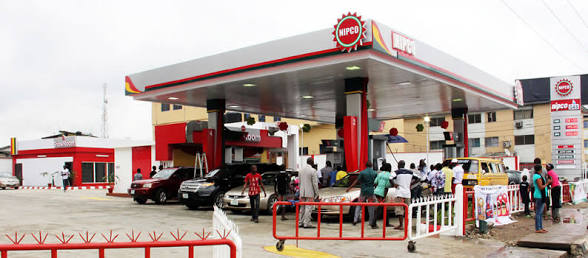
The Minister of State for Petroleum Resources (Oil), Sen. Heineken Lokpobiri, has called on petroleum marketers to reduce the pump prices of fuel and other petroleum products in line with the recent decline in global crude oil prices.
Lokpobiri made the appeal on Monday in Abuja during a stakeholders’ meeting on cost-reflective pricing of petroleum products organised by the Nigerian Midstream and Downstream Petroleum Regulatory Authority (NMDPRA).
According to the minister, the meeting was convened to foster consensus among industry players on the need to align fuel prices with prevailing market conditions while safeguarding investments in the downstream petroleum sector.
He noted that marketers were quick to increase pump prices when international crude oil prices surged, stressing that the same market principles should apply now that crude prices have dropped significantly.
Lokpobiri explained that Brent crude, which rose above 118 dollars per barrel in April amid geopolitical tensions in the Middle East, has since declined to around 70 dollars per barrel following the easing of those tensions.
“Fuel prices should reflect current market realities. If pump prices increased when crude oil prices rose, there is every reason for them to come down now that crude prices have fallen,” he said.
The minister emphasized that the Federal Government prefers dialogue and collaboration with industry operators rather than imposing directives that may prove difficult to implement.
Describing energy as a key driver of economic growth, Lokpobiri said the prices of Premium Motor Spirit (PMS), Automotive Gas Oil (AGO), and other petroleum products have a direct impact on transportation costs, production expenses, and the overall cost of living for Nigerians.
He reaffirmed the government’s commitment to the deregulation of the downstream petroleum sector, noting that deregulation should encourage efficiency and competition, not excessive profiteering.
Lokpobiri assured stakeholders that the government would continue to support reforms aimed at protecting legitimate investments while ensuring consumers have access to petroleum products at fair and competitive prices.
He expressed confidence that discussions at the meeting would produce practical solutions capable of lowering energy costs, stimulating economic activities, and balancing investor interests with consumer welfare.
The minister also directed the NMDPRA to intensify market surveillance and enforce transparency in pricing across the petroleum supply chain to ensure that reductions in costs are reflected at both depot and retail levels.
In addition, he urged the regulatory authority to accelerate the implementation of the National Strategic Stock initiative, describing it as a critical step toward strengthening energy security, reducing supply disruptions, and cushioning price volatility.
Lokpobiri further called on industry stakeholders to support existing regulatory frameworks and work closely with the government to build a transparent, stable, and competitive downstream petroleum market.
Following the opening session, the minister and regulators held a closed-door meeting with key industry stakeholders, including representatives of the Federal Competition and Consumer Protection Commission (FCCPC), Independent Petroleum Marketers Association of Nigeria (IPMAN), Depot and Petroleum Products Marketers Association of Nigeria (DAPPMAN), Major Energies Marketers Association of Nigeria (MEMAN), Petroleum Products Retail Outlets Owners Association of Nigeria (PETROAN), and the Nigerian Association of Road Transport Owners (NARTO).

Comments (0)
No comments yet. Be the first to share your thoughts!