


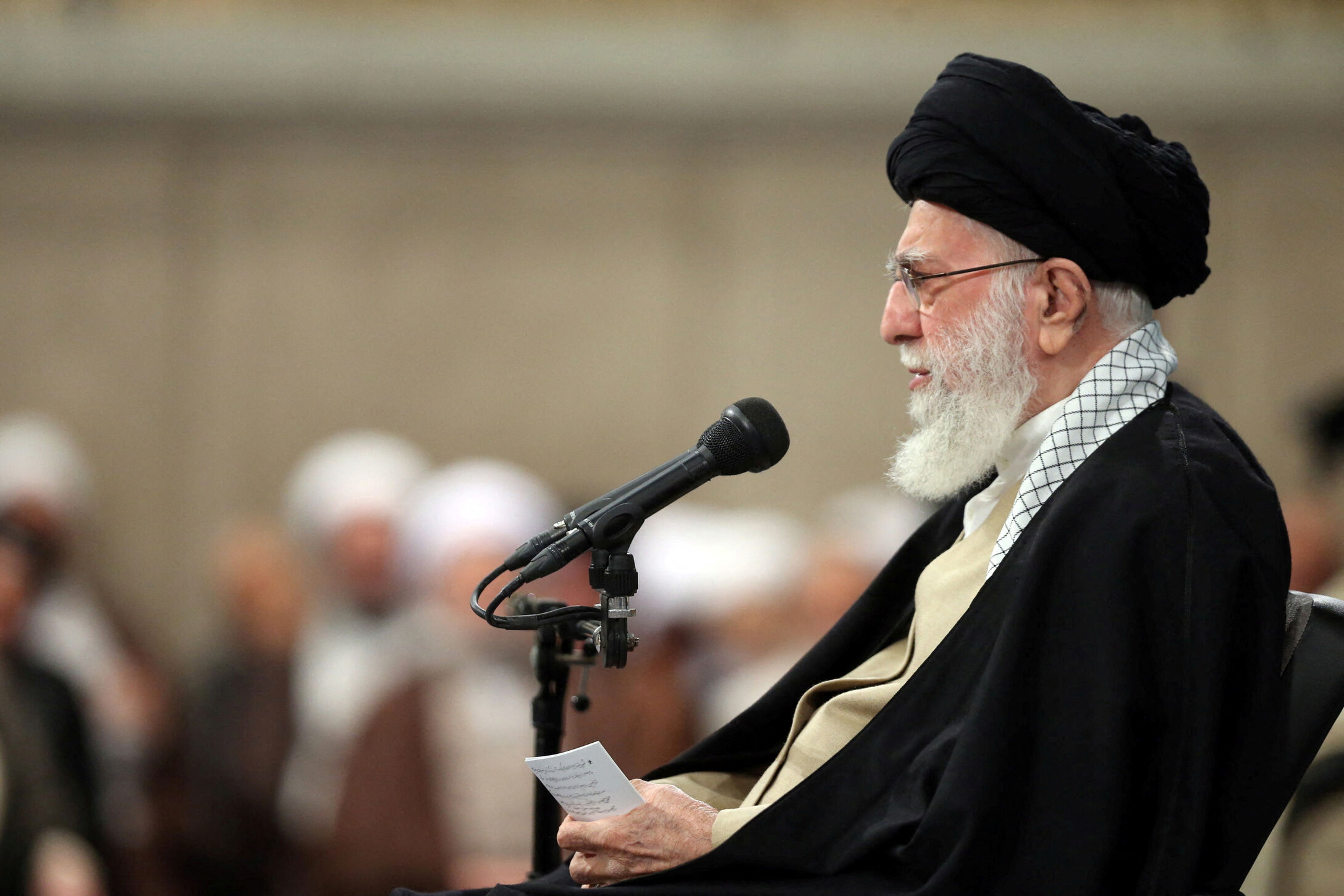
Iran is set to begin an unprecedented week-long mourning period for its slain Supreme Leader, Ayatollah Ali Khamenei, as authorities prepare massive funeral ceremonies aimed at demonstrating the resilience and unity of the Islamic Republic following one of the most consequential moments in its modern history.
Khamenei was killed in U.S. and Israeli strikes during the opening phase of the recent conflict, according to Iranian authorities. His funeral rites are scheduled to commence this weekend in Tehran before extending to the religious centres of Qom and Mashhad, as well as Iraq’s holy cities of Najaf and Karbala.
Iranian officials have framed the funeral as more than a farewell to the country’s highest political and religious authority. They see it as a powerful public declaration of support for the Islamic Republic at a time of national uncertainty.
“The large public turnout at the funeral procession of the martyred leader and the other martyrs will, in effect, be another referendum for the Islamic Republic,” Ayatollah Mohammad Saidi, Friday prayer leader in Qom, told state media.
Authorities are reportedly mobilising extensive resources, including transportation, accommodation and food services, in anticipation of millions of mourners participating in the ceremonies across several cities.
The death of Khamenei and the succession of his son, Mojtaba Khamenei, as Iran’s new Supreme Leader mark a historic turning point for the Islamic Republic, nearly five decades after the 1979 revolution. Mojtaba, who was reportedly wounded in the same strike that killed his father, has not appeared publicly since the conflict began.
Despite official efforts to project national solidarity, analysts say the funeral ceremonies are unfolding against a backdrop of deep public frustration over economic hardship, international sanctions and political repression.
Recent anti-government protests fuelled by soaring inflation exposed growing discontent among many Iranians, with demonstrators openly criticising the country’s leadership. Reports also emerged that some residents in Tehran celebrated privately when news of Khamenei’s death first surfaced.
The atmosphere in the capital now remains subdued, contrasting sharply with the emotional scenes that accompanied the 1989 funeral of Ayatollah Ruhollah Khomeini, founder of the Islamic Republic, which drew millions of mourners.
Some residents have indicated they will avoid the official ceremonies. Samira, a 35-year-old Tehran resident, said her family planned to leave the city during the mourning period.
“It is like life has stopped and there are Basijis everywhere,” she said, referring to the volunteer militia linked to Iran’s Revolutionary Guards.
For many supporters of the government, however, Khamenei’s death carries deep religious significance. In Shi’ite Islam, martyrdom occupies a central place, and authorities have sought to connect his killing to longstanding traditions of mourning and sacrifice.
Black funeral banners have appeared across Iranian cities, while memorial events have invoked the martyrdom of Imam Hossein, one of the most revered figures in Shi’ite history.
New posters featuring Mojtaba Khamenei alongside images of his late father have also begun appearing in Tehran, signalling the start of a new chapter in Iran’s leadership.
“These are the hardest days of my life,” said Mohsen, a 24-year-old member of the Basij militia. “People are in mourning, especially because our leader was martyred.”
Foreign dignitaries from countries including Russia and China are expected to participate in condolence events. Khamenei’s remains will begin a nationwide funeral procession on Saturday, travelling from Tehran to Qom and later to Mashhad, where he is scheduled to be buried near the revered shrine of Imam Reza.
The funeral convoy will also carry the remains of several members of Khamenei’s family who were reportedly killed in the same strike, including his daughter, son-in-law and granddaughter.
Security measures have been significantly tightened ahead of the ceremonies, with temporary airspace restrictions imposed over parts of the country and warnings issued against any renewed military action by the United States or Israel.
Standing beneath a large portrait of Khamenei in Tehran, 63-year-old war veteran Hossein Kheiri said the funeral would send a message beyond Iran’s borders.
“We are showing our power to America and others in our own way,” he said.
Comments (0)
No comments yet. Be the first to share your thoughts!