


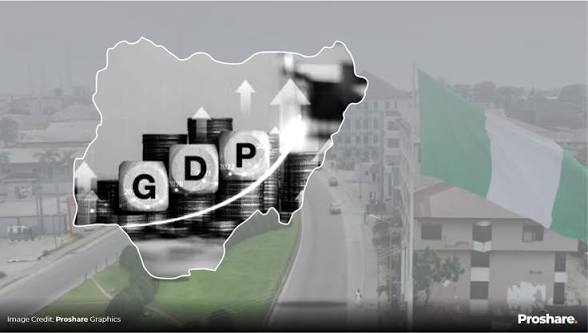
Nigeria’s drive to attain an investment-grade sovereign credit rating gained fresh momentum on Thursday as the United Nations Development Programme (UNDP), the European Union (EU), and the Government of Canada reaffirmed their commitment to supporting reforms aimed at strengthening the country’s economic standing and attracting greater investment inflows.
The renewed support was announced at a high-level debriefing meeting in Abuja, where government officials, development partners and financial experts gathered to review the findings of a Credit Ratings Needs Assessment Mission and chart a path toward improving Nigeria’s sovereign credit profile.
Stakeholders at the meeting agreed that securing an investment-grade rating would be a game-changer for Africa’s largest economy, enabling it to access cheaper financing, attract more investors, reduce borrowing costs and create the fiscal space needed to fund critical development projects.
Speaking at the event, UNDP Africa Chief Economist, Dr Raymond Gilpin, described sovereign credit ratings as a powerful tool that influences the flow and cost of capital across developing economies. He stressed that Nigeria’s pursuit of investment-grade status should be treated as a national development priority.
According to Gilpin, countries with stronger ratings enjoy easier access to affordable funding, while those with weaker profiles often pay significantly higher costs to borrow from international markets.
He also raised concerns about the broader impact of credit assessments on African economies, noting that the continent loses an estimated $74.5 billion annually due to higher borrowing costs linked to perceived subjectivity in sovereign ratings.
To address these challenges, Gilpin highlighted the Africa Credit Ratings Initiative, a programme established by UNDP in partnership with the African Development Bank, African Union, United Nations Economic Commission for Africa and the Africa Centre for Economic Transformation.
He said the initiative was designed to help governments strengthen institutional capacity, improve engagement with international rating agencies and promote best practices in credit management.
Gilpin added that Nigeria’s recent ratings improvements suggest the country is moving in the right direction and urged authorities to maintain the momentum of ongoing reforms.
Also speaking, Arash Irantalab, Head of Development Cooperation at the High Commission of Canada to Nigeria, said stronger sovereign ratings would unlock affordable financing for infrastructure, healthcare, education, renewable energy and job-creation programmes.
He noted that improved creditworthiness would boost investor confidence and enhance Nigeria’s appeal as a destination for both domestic and foreign investments.
Irantalab further revealed that non-oil trade between Nigeria and Canada had grown by about 50 per cent within the last year, reflecting deepening economic ties between both countries.
The European Union echoed similar sentiments, with the Head of Cooperation at the EU Delegation to Nigeria and ECOWAS, Massimo De Luca, saying Nigeria deserves stronger international investor confidence anchored on transparent and credible economic management.

He described the UNDP-led initiative as an important platform for improving coordination among government institutions and strengthening engagement with global credit rating agencies.
De Luca added that the EU remained committed to supporting investments in key sectors, including renewable energy, healthcare, transportation and digital infrastructure, while encouraging greater transparency and accountability in the investment environment.
Representing the Presidency, Special Adviser to President Bola Tinubu on Economic Affairs, Dr Tope Fasua, reaffirmed the administration’s target of achieving investment-grade sovereign ratings before 2030.
Fasua said recent economic reforms, particularly the liberalisation of the foreign exchange market and removal of fuel subsidies, had begun to restore confidence in Nigeria’s economy despite initial challenges.
He pointed to recent upgrades and positive assessments by Fitch Ratings, S&P Global Ratings and other international agencies as signs that the country’s reform efforts are gaining recognition globally.
According to him, achieving investment-grade status would strengthen Nigeria’s reputation, lower borrowing costs and support the Federal Government’s ambition of building a one-trillion-dollar economy.
He also called on public institutions and private-sector stakeholders to provide accurate and coordinated information about Nigeria’s economy, warning that negative narratives could affect international perceptions and credit assessments.
Earlier, the Minister of Finance and Coordinating Minister of the Economy, represented by Chairman of the Presidential Fiscal Policy and Tax Reforms Committee, Taiwo Oyedele, said reforms undertaken over the past three years had improved macroeconomic stability, strengthened fiscal sustainability and boosted investor confidence.
Oyedele noted that recent assessments by international rating agencies and the International Monetary Fund reflected growing confidence in Nigeria’s economic direction.
He assured stakeholders that the government would continue to strengthen institutional coordination, improve data quality and maintain engagement with international rating agencies to ensure that Nigeria’s economic progress is accurately reflected on the global stage.
The meeting ended with a renewed commitment from both local and international stakeholders to work together in advancing reforms that could position Nigeria for investment-grade status and unlock the financing needed to drive long-term economic growth.
Comments (0)
No comments yet. Be the first to share your thoughts!